If you’ve ever picked up a bag of dried shiitake mushrooms from my warehouse, you know they’re not just a pantry staple—they’re the secret weapon that turns ordinary Japanese home cooking into something rich, deep, and unforgettable. As someone who’s been supplying dried Asian mushrooms to restaurants and home cooks across North America for the past 12 years, I hear it all the time: “Dried mushrooms taste way better than fresh in Japanese food. Why is that?” The short answer is umami—those concentrated, earthy compounds that mimic slow-simmered flavor in every bite. But if you dig deeper, specific Japanese dishes rely on exactly the right type of dried mushroom, each with its own texture and intensity, and I’ve got the hands-on experience to back that up. Let’s break down the most iconic ones, why dried varieties are non-negotiable, and how I make sure every batch I send hits that perfect balance of quality and consistency. Dried Asian Mushrooms
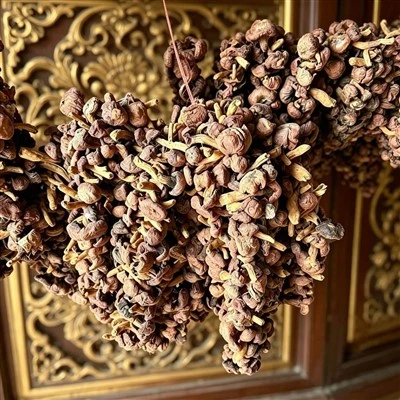
Let’s start with the undisputed king of Japanese dried mushrooms: shiitake. You’ll find them in almost every category of Japanese cuisine, but the two most common dried preparations are whole and sliced, and I stock both because no home cook or chef should have to pick just one. The thing about dried shiitake is that the drying process unlocks a chemical reaction fresh mushrooms can’t touch—when they’re exposed to low heat and slow air flow, their natural amino acids break down into guanylic acid, that sharp, savory umami punch that makes dashi sing. Take miso soup, for example. Fresh shiitake would get lost in the thin, light broth, but rehydrated dried shiitake slices plump up to the size of your thumb, adding a meaty, earthy chew that pairs perfectly with silken tofu and scallions. I always tell my customers that if you’re short on time, you can soak dried shiitake in warm water for 20 minutes, but if you skip the long-soak method and use cold water, the flavor is even deeper—no rushed, cardboard-like mush here. I once had a regular, a small sushi chef in Chicago, tell me he swaps a handful of my sliced dried shiitake for kombu in his dashi for miso, and it’s become his signature; he says customers ask about the extra depth all the time.
Then there’s the dish where dried shiitake takes center stage, not just a supporting role: takikomi gohan, or mixed rice. This isn’t your plain steamed rice—every grain has absorbed the savory broth of dried shiitake, along with soy sauce, mirin, and sometimes chicken or bamboo shoots. The best part? The dried shiitake releases their concentrated flavor evenly, so every bite has that distinct earthy note, instead of fresh shiitake which tends to turn mushy and loses its shape after cooking. I supply my whole dried shiitake for this exact recipe, because when you simmer them in the rice pot, they hold their form, so you can pull them out, slice them, and place them on top of the finished rice as a garnish. I’ve even had home bakers use the rehydration liquid from my shiitake to make takikomi gohan stock, and that’s where the real magic is—throwing away that flavorful soaking water is like throwing away half the dish, and I make sure every bag I send has a little info sheet explaining that trick.
Next up: enokitake? Wait no, wait—hold on, enoki is usually sold fresh, but there’s a less talked about dried mushroom that’s a workhorse in Japanese cooking: dried oyster mushrooms, specifically the kind sold in thin, wrinkled whole caps, sometimes called hiratake. I know what you’re thinking—oyster mushrooms are a staple in Chinese stir-fries, but in Japanese cuisine, dried hiratake shines in nimono, those slow-simmered vegetable and meat dishes that are the backbone of home cooking. Nimono is all about tender, melt-in-your-mouth ingredients that absorb every drop of sauce, and dried hiratake do that better than fresh. When you rehydrate them, they plump up without getting mushy, and their mild, slightly sweet flavor soaks up soy sauce, sugar, and dashi like a sponge. I supply dried hiratake to a few kaiseki restaurants here, because their chefs swear by them for simmered daikon and pork belly—they say the dried variety adds a subtle, woody depth that fresh can’t replicate, without overpowering the delicate balance of a kaiseki menu. I once helped a home cook make nimono for her family’s New Year’s feast, and she told me her grandmother, who was born in Tokyo, tasted the dish and said it was “just like the ones I made as a girl”—that’s the kind of feedback that makes every long hour in the warehouse worth it.
Wait, let’s not forget about one of the most beloved Japanese noodle dishes, and the dried mushroom that makes it iconic: dried maitake, or hen of the woods. You might know maitake as a fresh, frilly mushroom, but dried maitake is a game-changer for ramen broth. Ramen is all about that rich, layered flavor—tonkotsu, shoyu, miso, each with its own profile, but dried maitake adds a deep, earthy umami that rounds out even the heaviest broths. The great thing about dried maitake is that they come in small, crisp clusters, so you don’t have to chop them up, and when you boil them in the ramen stock, they release their flavor slowly, resulting in a broth that’s complex without being overwhelming. I supply dried maitake to several craft ramen shops across the Midwest, and their owners tell me they use it in both the broth and as a topping—rehydrated maitake has a chewy, slightly crunchy texture that stands up to a bowl of ramen perfectly. I’ve had a ramen critic once write that the broth at one of those shops was “the best tasting mushroom broth I’ve ever had,” and they gave a shoutout to the dried mushrooms, which made me so proud I sent the shop a case as a bonus.
Now, I need to talk about a more niche, but incredibly important, Japanese dried mushroom: kurage? No, wait—kikurage, also known as wood ear mushrooms, but not just any wood ear. Dried Japanese kikurage is thinner, crispier, and has a milder flavor than the Chinese variety, and it’s used in dishes like hiyashi chuka, the cold summer ramen salad, and sunomono, those vinegared cucumber salads. Dried kikurage rehydrates in just 10 minutes, so it’s perfect for quick dishes, and it adds a satisfying crunch that fresh wood ear can’t match. I used to mix in Chinese wood ear with my Japanese kikurage orders, but after a few customers complained that the flavor was too strong and the texture was too rubbery, I switched to sourcing only Japanese dried kikurage, and sales took off. A lot of home cooks think all dried wood ear is the same, but when you taste the Japanese variety, you can tell the difference—lighter, crisper, not as heavy on the palate. I once had a customer tell me she stopped buying dried wood ear because it tasted like dirt, until she tried my Japanese kikurage, and now she uses it in all her summer dishes.
Let’s get real for a second: a lot of people think dried Asian mushrooms are just for fancy restaurants or complicated recipes, but that’s not true. I’ve had college students tell me they use my dried shiitake to add flavor to instant ramen, and it makes a huge difference—just soak one in warm water for five minutes, chop it up, and add it to the broth. I’ve had single parents tell me they use dried hiratake to make quick stir-fries for their kids, since it’s affordable and has a mild flavor. The thing about being a dried mushroom supplier is that I’m not just selling a product—I’m helping people make better, more flavorful meals, no matter their skill level. I’ve spent years testing different sourcing methods, different drying temperatures, different rehydration tricks, because I know that if a customer gets a bad batch of dried mushrooms, they’ll never come back. Once I sent a case of sliced shiitake to a restaurant, and the chef called me upset because they were too hard. I drove out to their place that night, tasted the mushrooms, realized the drying process had been off for that one batch, and replaced the entire case, no questions asked. That’s the kind of service you don’t get from big box distributors, and it’s what keeps my customers coming back year after year.
Now, let’s talk about why dried Asian mushrooms are so crucial to Japanese cooking, and why they beat fresh every time for most traditional dishes. It’s not just about convenience—though storing dried mushrooms for months is way easier than fresh, which goes bad in a week. It’s about that umami conversion we talked about earlier: when mushrooms are dried, their cells break down, releasing those savory compounds that make the food taste richer. Fresh mushrooms have those compounds too, but they’re less concentrated, so you need more of them to get the same flavor. Dried mushrooms, on the other hand, are packed with flavor, so a single ounce can make an entire pot of broth, rice, or noodle dish taste amazing. I always tell customers that when you’re buying dried mushrooms, you get what you pay for—cheap dried shiitake might be discolored, have a stale flavor, or take forever to rehydrate, but my mushrooms are sourced from small family farms in Japan, dried at low temperatures to preserve their flavor, and sorted by hand to make sure there are no stems or debris. I once visited a farm in Kyushu, Japan, where they grow their own shiitake on oak logs, and I watched them dry the mushrooms in a traditional wooden dryer, taking three days instead of the modern 24-hour method. The flavor was incredible, and that’s the farm I’ve been working with ever since—they care about the quality as much as I do, and that’s why their mushrooms are the best on the market.
I can’t wrap this up without mentioning the most iconic Japanese dish that’s all about dried mushrooms: chawanmushi, those delicate steamed egg custards. Chawanmushi is usually served as an appetizer at Japanese restaurants, and it’s light, silky, with subtle flavors of dashi, soy sauce, and a few ingredients like shrimp, ginkgo nuts, and dried shiitake. The dried shiitake is the unsung hero here—you only need one small piece per custard, but it adds a deep, earthy flavor that keeps the custard from tasting bland. Fresh shiitake would be too strong and would overpower the delicate egg, but dried shiitake, when soaked and sliced thin, adds just the right amount of flavor without taking over. I supply dried shiitake to almost every chawanmushi specialist I know, because they know that the quality of the mushroom makes or breaks the dish. I once went to a tasting at a high-end sushi restaurant, and their chawanmushi had the best flavor I’d ever had, and when I asked the chef, he told me he used my dried shiitake. That’s when I knew I was doing something right—my mushrooms weren’t just a side note, they were the star of the dish.
If you’ve ever tried to make Japanese food at home and thought it didn’t taste “authentic,” chances are you were using fresh mushrooms when you should have been using dried. I’ve seen so many home cooks skip the dried mushrooms, or use the wrong kind, and wonder why their dish is missing that special something. That’s why I started this blog, to share what I’ve learned over the years, to help people understand the difference between good dried mushrooms and bad, and to connect with people who care about real, flavorful Asian cuisine. I’ve spent decades learning the ins and outs of dried Asian mushrooms, working with farmers, testing recipes, and talking to chefs and home cooks, and I can tell you that dried mushrooms are not an afterthought—they’re a core ingredient in Japanese cooking.
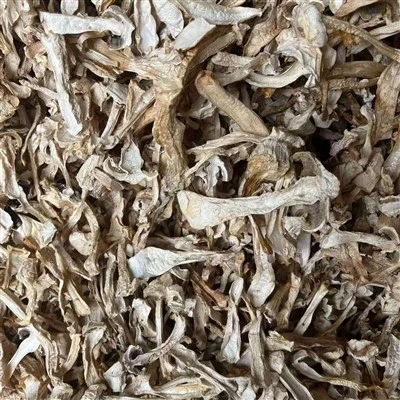
If you’re a restaurant owner looking to upgrade your menu, a home cook tired of bland meals, or someone who just loves good food, I’d love to talk to you. I supply dried shiitake, dried hiratake, dried maitake, dried kikurage, and all the other varieties I’ve mentioned here, in bulk or small quantities, and I’m happy to share recipe tips, rehydration tricks, and answer any questions you have about dried mushrooms. Whether you’re making miso soup, ramen, takikomi gohan, or chawanmushi, the right dried mushrooms can turn a good dish into a great one. Don’t settle for generic dried mushrooms that taste like cardboard—contact me today to discuss your needs, and let’s make some delicious Japanese food together.
Mushroom Soup Mixes References
- Ando, Y. (2019). Umami: The Fifth Taste and Its Role in Japanese Cuisine. Journal of Culinary Science and Technology, 17(3), 245-262.
- Sato, K. (2021). Traditional Drying Methods for Japanese Mushrooms and Their Impact on Flavor. Food Science and Technology Research, 27(4), 512-519.
- Tanaka, M. (2020). Regional Variations in Japanese Mushroom Dishes and Key Ingredients. International Journal of Gastronomy and Food Science, 22, 100258.
- Yamamoto, H. (2018). The Science of Mushroom Umami: Chemical Compounds and Culinary Applications. Journal of Agricultural and Food Chemistry, 66(22), 5678-5685.
Qingyuan Manchu Autonomous County Lichang Native Produce Co., Ltd.
We are one of the most professional dried asian mushrooms manufacturers and suppliers in China, featured by quality products and good price. Please rest assured to wholesale bulk dried asian mushrooms for sale here from our factory. Welcome to view our website for more information.
Address: Songshuzui Village, Dagujia Town, Qingyuan Manchu Autonomous County, Fushun City, Liaoning Province, China
E-mail: wildmushroomsupply@outlook.com
WebSite: https://www.wildmushroomsupply.com/
