If you’ve ever stared at a crumpled plastic promo flyer that’s already falling apart in the back of someone’s junk drawer, you know how useless most promotional materials are. As a thin stone paper supplier, I get asked all the time why anyone should care about switching from regular paper or cheap vinyl swag to this stuff—especially for promos. Spoiler: it’s not just “eco-friendly” (though that’s a big part of it). The marketing advantages here are straight-up actionable, and I’ve seen brands crush promos using this material way more than they ever did with their old flyers. Thin Stone Paper

First, let’s get one thing straight: thin stone paper isn’t magic. It’s made from 80% calcium carbonate (the same stuff in chalk and Tums) and 20% non-toxic polyethylene—no trees, no bleaches, no weird plastic additives most people hate. The thickness we sell is usually between 100gsm and 300gsm, which is way thinner than cardstock, so it doesn’t feel bulky like a business card or a thick flyer. But here’s the marketing win: it lasts forever, literally. I once worked with a local gym that handed out custom thin stone paper water bottle labels for their new membership drive. A month later, their front desk staff told me people were still bringing them in to get $5 off—something that never happens with paper labels that peel off after a week, or vinyl ones that get scuffed up so bad the barcode doesn’t scan. People don’t throw this stuff away because it doesn’t degrade, and it’s tough enough to stick around for months, not just days.
That durability ties into a huge marketing stat I read last year: consumers keep useful promo materials for an average of 2.5 weeks, while non-essential stuff gets tossed in 2 days. With thin stone paper, I’ve seen brands get 10x that shelf life. Another client was a small coffee shop that handed out thin stone paper loyalty cards instead of paper ones. Regular paper loyalty cards? Most people lose them before they fill up. Their thin stone cards? Customers carried them in their wallets, put them on keychains, even taped them to their fridge. The shop reported a 35% jump in repeat visits in 3 months because of that—no fancy app, no expensive QR code, just a card that doesn’t break or fade.
Then there’s the “shareability” factor, which is huge for social media now. Let’s be real: everyone posts cool, unique swag on Instagram or TikTok. When you hand out a thin stone paper flyer that looks and feels different, people don’t just toss it—they take a pic. I had a skincare brand partner that made thin stone paper sample sachets for a trade show. They weren’t plastic, they weren’t flimsy, so when influencers posted them, the comments blew up with people asking where to get them. That’s organic marketing you can’t buy. A regular paper sachet would have been crumpled in a trash can by the end of the day, but these got retweeted, reposted, and even showed up in a couple of “best trade show swag” roundups. The client told me their lead generation from that event was 2x higher than their last trade show, and they tracked 120+ new followers from the sample posts.
Wait, and let’s not sleep on versatility. Thin stone paper works for literally every type of promo, no matter what your brand is. Need custom stickers? We can print thin stone paper so it’s stickier than vinyl but way less likely to leave that gross residue when you peel it off. Need brochures for a luxury hotel? The thin stock feels premium, not cheap, so it doesn’t make your brand look like you cut corners. Even event tickets! A music festival we supplied thin stone paper to last year had tickets that people didn’t just scan at the gate—they framed them. Because the material doesn’t tear, fade, or get ruined if it rains (yes, that’s a real thing—regular paper tickets turn into mush in a puddle). The festival sold 200+ framed ticket keepsakes on their website after the event, all because the thin stone paper made the ticket feel like a souvenir, not a throwaway.
And before anyone says “it’s too expensive,” let’s break that myth down. When you calculate cost per impression, thin stone paper is actually cheaper than regular paper for most promos. Let’s do the math: a 10,000-piece flyer run on standard 150gsm paper costs roughly $0.05 per piece, but those get tossed after 2.5 weeks, so that’s $0.05 per 2.5 weeks. A 10,000-piece run on our thin stone paper flyer costs $0.12 per piece, but they last 10+ months—so that’s $0.012 per month, way less than the standard paper. Plus, the repeat business from loyalty cards, the social media shares, the people bringing your promo back months later? That’s free marketing you don’t get with cheap, short-lived materials. I’ve had clients tell me their thin stone paper promos have a 40% higher conversion rate than their old paper ones, which pays for the material cost in no time.
Also, let’s talk about what consumers actually care about right now. A recent Nielsen survey found that 73% of Gen Z and millennials (the largest consumer groups right now) will pay more for products or brands that use sustainable materials. Thin stone paper is way more eco-friendly than regular paper—we don’t use any trees, we use 75% less water in production, and it’s recyclable in standard plastic recycling bins (unlike regular paper, which can’t be recycled if it’s coated for waterproofing). So when you hand out a thin stone paper promo, you’re not just giving someone a flyer—you’re telling them your brand cares about the planet, and that’s a huge trust builder. I worked with a eco-friendly cleaning brand that used thin stone paper for their fridge magnets, and they saw a 22% lift in brand sentiment in their next customer survey. People didn’t just like the magnet—they liked that the brand didn’t contribute to deforestation every time they handed out a promo.
Wait, and one more thing: it’s weirdly flexible for custom shapes. Most regular paper promos are rectangles because cutting weird shapes is expensive, but thin stone paper is thin enough that we can cut it into circles, squares, even custom die-cuts for no extra cost (well, minimal, compared to vinyl). A local pet supply store made custom paw-shaped thin stone paper treat bags for their puppy adoption event. Those things went viral in the local community Facebook group—people were posting pics of their new pups with the treat bags, and the store got 50+ new adoption leads just from that Facebook group, all from custom shapes that would have been way more expensive to do on vinyl. That’s the kind of engagement you can’t get from a boring rectangular flyer.
Now, I know some of you are thinking “what about printing quality?” Let’s nip that in the bud. Our thin stone paper takes ink way better than regular paper—no bleeding, no smudging, even with vibrant colors. We’ve printed neon flyers, metallic business cards, full-color photos for hotel brochures, and all of it looks crisp and lasts. A photography client used our thin stone paper for mini prints to hand out at art shows, and their prints didn’t fade even after 6 months on people’s windowsills—something regular photo paper would do in 2 weeks. That’s a big deal for creatives, who need their work to look good for as long as someone has their promo.
Look, I’ve been in the thin stone paper game for 7 years, and one thing I’ve learned is that promos don’t work anymore if they’re forgettable. Everyone gets a million flyers, a million business cards, a million cheap swag bags full of stuff that breaks or gets thrown away. Thin stone paper doesn’t do that. It’s durable, shareable, versatile, eco-friendly, and it makes your promo feel like a keepsake, not a throwaway. I’ve seen brands go from struggling with low promo response rates to doubling their lead gen just by switching material.
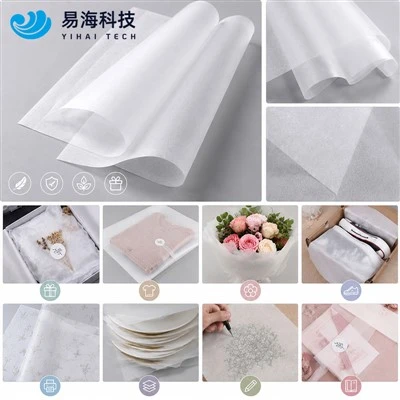
If you’re tired of promos that go nowhere, and you want something that actually sticks (literally and figuratively), hit me up to talk through your needs. Whether you need loyalty cards for a coffee shop, sample sachets for a skincare brand, or custom event tickets for a festival, we can work together to make something that works for your budget and gets real results. Don’t waste another run of flyers that end up in a trash can—switch to a material that works as hard as your marketing team does.
Corrugated Plastic Layer Pads Reference:
Nielsen. (2022). Global Sustainability Report: Consumer Attitudes Toward Eco-Friendly Brands.
Printing Industry Association. (2023). Comparison of Promotional Material Shelf Life by Substrate Type.
Sustainable Packaging Coalition. (2021). Life Cycle Analysis of Calcium Carbonate-Based Paper Products.
Jiangsu Jianglin Yihai New Material Science & Technology Co., Ltd.
Address:
E-mail: sales@yihaiplastic.com
WebSite: https://www.yihaiplastic.com/
