Hey there, folks! I’m a supplier of acoustic raised access floors, and I get this question a lot: "How do I choose the right acoustic raised access floor for my project?" Well, I’m here to break it down for you in a way that’s easy to understand. Acoustic Raised Access Floor
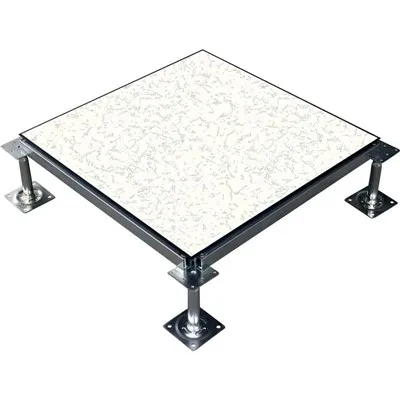
First off, let’s talk about why acoustic raised access floors are a big deal. These floors aren’t just about looking good or providing easy access to cables and utilities. They play a crucial role in sound control, which is super important in a lot of different settings. Whether it’s an office where you don’t want people to be distracted by noise from other areas, a school where students need a quiet learning environment, or a hospital where patient comfort and privacy are key, acoustic raised access floors can make a huge difference.
Understanding Your Project Needs
The very first step in choosing the right acoustic raised access floor is to really understand what your project needs. You gotta ask yourself some questions.
What’s the Purpose of the Space?
Is it a high – traffic area like a shopping mall or a server room that needs to be almost completely silent? In a high – traffic area, you’ll need a floor that can handle a lot of footfall and noise. Maybe a floor with a higher level of sound absorption so that the constant movement of people doesn’t create a huge racket. On the other hand, a server room might need a floor that can block out external noise and also prevent the noise from the servers from spreading.
What’s the Budget?
Let’s face it, budget is always a factor. You might have a dream floor in mind, but if it’s way out of your price range, you’ll have to look for alternatives. Acoustic raised access floors come in different price points depending on the materials, quality, and level of acoustic performance. You need to find that sweet spot where you’re getting good value for your money without skimping on the things that are really important for your project.
Are There Any Aesthetic Requirements?
Sometimes, the look of the floor is just as important as its functionality. Maybe it’s a trendy office space where the design is a key selling point, or a luxury hotel lobby. In these cases, you’ll want a floor that looks great and fits in with the overall aesthetic of the place. There are different finishes available, like wood, stone, or carpet tiles, so you can choose something that matches your vision.
Acoustic Performance
Now, when it comes to acoustic raised access floors, the most important thing is the acoustic performance. There are a few key metrics you need to know about.
Sound Absorption Coefficient (SAC)
This measures how well the floor can absorb sound. A higher SAC means the floor is better at soaking up sound waves. For example, if you have a room with a lot of hard surfaces that tend to reflect sound, like glass and concrete, you’ll want a floor with a high SAC to reduce echo and reverberation.
Impact Insulation Class (IIC)
The IIC measures how well the floor can reduce impact noise, like the sound of footsteps or furniture being moved. A higher IIC rating means less noise will travel through the floor to the area below. So, if you’re building an apartment complex or an office building with multiple floors, a high IIC rating is a must.
Sound Transmission Class (STC)
STC measures the ability of the floor to block airborne noise, like voices or music. A higher STC rating means better noise isolation. This is really important in spaces where you want to keep the noise in or out, like recording studios or conference rooms.
Material Matters
The material of the acoustic raised access floor also plays a huge role in its performance and suitability for your project.
Steel Flooring
Steel floors are super durable. They can handle heavy loads, which makes them a great choice for industrial settings or data centers where there are a lot of servers and equipment. They also have good acoustic properties, especially when combined with appropriate insulation materials. Plus, they’re fire – resistant, which is a big plus in many situations.
Wood or Wood – Composite Flooring
Wood and wood – composite floors have a warm and natural look that can really enhance the aesthetic of a space. They also have decent acoustic performance, especially if they’re installed with proper underlayment. However, they might not be as durable as steel floors and can be more prone to damage from moisture and impact.
Cementitious Flooring
Cementitious floors are known for their stability and flatness. They can provide good acoustic insulation, especially when used in combination with other sound – absorbing materials. They’re also a popular choice for commercial buildings because they can handle a lot of wear and tear.
Installation and Maintenance
Don’t forget about installation and maintenance when choosing an acoustic raised access floor.
Installation
The installation process can vary depending on the type of floor and the design of your project. Some floors are easier to install than others. For example, modular floors can be installed more quickly and easily, which can save you time and money on labor costs. Make sure to work with a professional installer who has experience with acoustic raised access floors to ensure a proper installation.
Maintenance
Different floors require different levels of maintenance. Steel floors might just need occasional cleaning and inspection for signs of rust. Wood floors need to be protected from scratches and moisture, and might need to be refinished every few years. You need to consider how much time and money you’re willing to spend on maintaining the floor over its lifespan.
Compatibility with Other Systems
Your acoustic raised access floor needs to be compatible with other systems in your building. For example, it should work well with your HVAC system. If the floor has a lot of openings or is not properly sealed, it can affect the efficiency of the HVAC system and lead to energy waste.
It also needs to be compatible with your electrical and data cabling. Make sure there’s enough space under the floor for all your cables and that the floor doesn’t cause any interference with the signals.
Testing and Certification
When you’re looking at different acoustic raised access floors, it’s important to look for ones that have been tested and certified. Reputable manufacturers will have their floors tested by independent laboratories to measure their acoustic performance. Look for certifications like ISO 14001 (environmental management) and ISO 9001 (quality management). These certifications are a sign that the floor meets certain standards and has been rigorously tested.
Making the Decision
So, after considering all these factors, how do you make the final decision? Well, it’s all about finding the right balance. You need to balance your acoustic requirements with your budget, aesthetic preferences, installation and maintenance needs, and compatibility with other systems.
Make a list of your priorities. For example, if sound insulation is your top priority, then focus on floors with high STC and IIC ratings. If budget is tight, look for cost – effective options without sacrificing too much on performance.
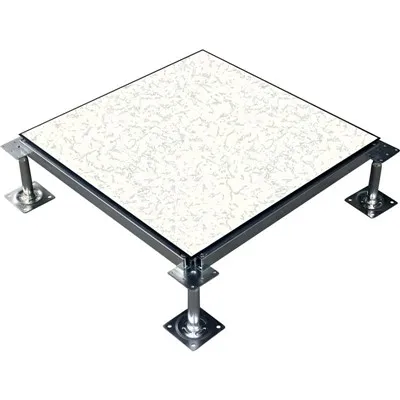
And don’t be afraid to ask for samples. Most suppliers, including me, are happy to send you samples so you can see and feel the floor for yourself. You can also ask for case studies or references from other projects similar to yours to get an idea of how well the floor performs in real – world situations.
Let’s Talk!
Raised Computer Floor If you’re still not sure which acoustic raised access floor is right for your project, or if you want more information about our products, I’d love to chat. We have a wide range of options to suit different needs and budgets. Whether you’re working on a small office renovation or a large – scale commercial project, we’re here to help you find the perfect floor for your space. Just reach out to us, and we’ll start a conversation about how we can make your project a success.
References
- "Building Acoustics: Noise Control and Sound Design for Architects and Engineers" by Malcolm J. Crocker.
- Various industry reports on acoustic raised access floors from leading construction research firms.
Fineco Tech Co., Ltd.
As one of the most professional acoustic raised access floor manufacturers and suppliers in China, we’re featured by quality products and good service. Welcome to wholesale customized acoustic raised access floor made in China here from our factory. If you have any enquiry about cooperation, please feel free to email us.
Address: Wuyue Square, Wujin District, Changzhou, Jiangsu, China
E-mail: info@finecotech.com
WebSite: https://www.finecoglobal.com/
