How to Train Operators for Injection Molding Rubber Parts?
As a long – standing supplier of injection molded rubber parts, I’ve witnessed firsthand the pivotal role skilled operators play in the success of our production process. Injection molding rubber parts is a highly technical and nuanced process, and having well – trained operators is non – negotiable for maintaining high quality, efficiency, and cost – effectiveness. In this blog, I’ll share some key aspects of training operators for injection molding rubber parts based on my practical experiences. Injection Molded Rubber Parts
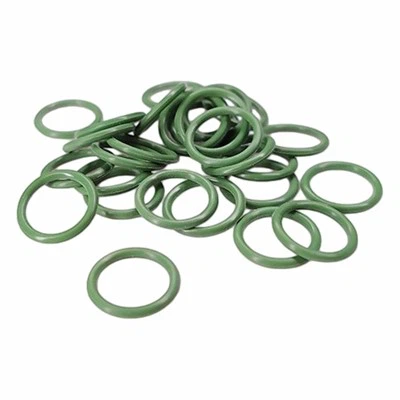
####Understanding the Basics of Rubber and Injection Molding
The first step in training operators is to ensure they have a solid understanding of the rubber materials used in the injection molding process. Different types of rubber, such as natural rubber, silicone rubber, and EPDM, have distinct properties that affect the molding process. For example, natural rubber has good elasticity and tear resistance, but it may be more susceptible to oxidation compared to silicone rubber. Operators need to know how to handle these materials properly, including storage conditions, pre – processing requirements (such as drying or mixing), and the impact of rubber formulation on the final product quality.
Moreover, operators must be familiar with the basic principles of injection molding. They should understand how the injection molding machine works, from the hopper where the rubber raw material is loaded to the mold cavity where the part is formed. Training should cover concepts like plasticization, injection pressure, injection speed, and cooling time. For instance, if the injection pressure is too low, the rubber may not fill the mold completely, resulting in incomplete parts. On the other hand, excessive pressure can cause flash and damage to the mold.
We usually start with theoretical training sessions. These sessions involve presentations, videos, and in – depth discussions about rubber materials and injection molding concepts. We also use 3D models to illustrate the internal workings of the injection molding machines and the flow of rubber within the mold.
####Hands – on Training with Injection Molding Machines
After the theoretical foundation is established, it’s time for hands – on training. Operators should get accustomed to operating the injection molding machines safely. They need to learn how to perform routine maintenance tasks, such as cleaning the barrel, changing the nozzles, and lubricating the moving parts. Regular maintenance not only extends the lifespan of the machines but also ensures the consistency of the molding process.
During hands – on training, operators start with simple tasks under the supervision of experienced trainers. They learn how to set up the machine for a specific job, input the appropriate parameters (such as temperature, pressure, and speed), and load the rubber material into the hopper. As they gain more confidence, they are gradually assigned more complex tasks, such as adjusting the process parameters to optimize the quality of the molded parts.
For example, when molding a rubber seal, the operator needs to ensure that the seal has the correct dimensions, density, and surface finish. By adjusting the injection speed and holding pressure, the operator can control the weight and shape of the seal. Our trainers closely monitor the trainees during this phase, providing immediate feedback and guidance to correct any mistakes.
####Quality Control and Inspection Skills
Quality control is an integral part of the injection molding process. Operators must be trained to identify common defects in rubber parts, such as air bubbles, flash, warping, and under – filling. They need to understand the root causes of these defects and how to take corrective actions.
We teach operators to use various inspection tools, such as calipers, micrometers, and hardness testers, to measure the physical properties of the molded parts. They also learn how to perform visual inspections to detect surface imperfections. For example, if an operator notices air bubbles in a rubber part, they should be able to trace the problem back to issues like improper venting in the mold or incorrect injection speed.
In addition to on – the – spot inspections, we also conduct regular quality audits. Operators are involved in these audits, where they learn how to collect and analyze quality data. This helps them understand the long – term trends in product quality and take preventive measures to avoid future defects.
####Safety Precautions and Practices
Working with injection molding machines involves several safety risks, such as high temperatures, moving parts, and the use of chemicals. Therefore, safety training is of utmost importance. Operators need to be educated about the potential hazards in the workplace and the appropriate safety procedures to follow.
We provide safety training on topics such as machine guarding, personal protective equipment (PPE) usage, and emergency response. Operators are required to wear heat – resistant gloves, safety glasses, and ear protection when operating the machines. They also need to know how to shut down the machines in case of an emergency and how to handle spills of rubber materials or chemicals safely.
Regular safety drills are conducted to reinforce these practices. For example, we simulate fire or machine malfunction scenarios to ensure that operators can respond quickly and effectively.
####Continuous Learning and Improvement
The field of injection molding is constantly evolving, with new materials, technologies, and processes emerging regularly. Therefore, training should not stop after the initial onboarding. We encourage our operators to engage in continuous learning.
We organize regular training workshops and seminars on topics such as new rubber formulations, advanced injection molding techniques, and quality management systems. These events provide opportunities for operators to network with industry experts and learn from their peers.
In addition, we implement a performance evaluation system. Based on the evaluation results, we identify areas where operators need further training and development. For example, if an operator struggles with adjusting the process parameters for a new type of rubber, we can provide targeted training to improve their skills in this area.

####Conclusion
Training operators for injection molding rubber parts is a comprehensive and ongoing process. It requires a combination of theoretical knowledge, hands – on experience, quality control skills, safety awareness, and a commitment to continuous learning. By investing in the training of our operators, we ensure that we can produce high – quality injection molded rubber parts consistently, meet the diverse needs of our customers, and stay competitive in the market.
Rubber Feet If you are in the market for injection molded rubber parts and are interested in discussing how our well – trained team can meet your specific requirements, please reach out to us. We are eager to engage in a procurement discussion and provide you with the solutions you need.
References
- "Injection Molding Handbook" by O. Olafsson
- "Rubber Technology: Compounding, Vulcanization, and Testing" by Werner Hofmann
- Various industry research papers on rubber injection molding published in Polymer Engineering and Science journals.
Haining Chaoyue Seals Co., Ltd.
As one of the most professional injection molded rubber parts manufacturers and suppliers in China, we offer a wide range of products with superior quality. Please feel free to wholesale high quality injection molded rubber parts made in China here from our factory. Also, custom service is available.
Address: Building 9, 158 Lianhong Road, Yuanhua Town, Jiaxing, Zhejiang, China.
E-mail: chaoyue@cyseals.com
WebSite: https://www.hncyseal.com/
