Hey there, fellow road bike enthusiasts! I’m the guy behind the scenes at a Road Bike TPU Tube supply gig. And today, I’m diving headfirst into a question that’s been buzzing around the cycling community a lot lately: Can I use a Road Bike TPU Tube with tubeless tires? Road Bike TPU Tube
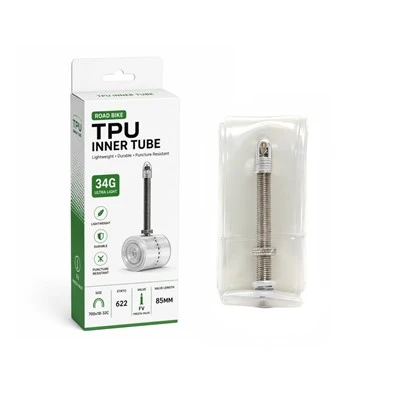
First off, let’s break down what we’re dealing with here. Road bike TPU tubes are pretty awesome. TPU, or thermoplastic polyurethane, is lighter than traditional butyl rubber tubes. They’re more flexible, too. This flexibility means they can fit snugly into your bike’s rims, and they’ve got a better resistance to punctures. You can say goodbye to those annoying little flats caused by thorns or glass shards on the road. On the flip side, tubeless tires are becoming increasingly popular. They offer lower rolling resistance because there’s no tube inside creating friction. Plus, you can run them at a lower pressure, which gives you better traction and a smoother ride.
Now, the big question: Can you mix and match? Well, the short answer is yes, you technically can use a Road Bike TPU Tube with tubeless tires. But there are a few things you need to consider before you go ahead and make that switch.
One of the main things to think about is the compatibility of the rim and the tube. Tubeless rims are designed to work with tubeless tires without a tube. They have a special bead seat and a sealed design to hold the tire in place and keep the air inside. When you use a tube in a tubeless rim, you might run into some issues. The tube could not seat properly, which could lead to a wobbly tire or even a blowout. So, you’ve got to make sure your rim can handle a tube. Some rim manufacturers specify whether their tubeless rims are tube-compatible, so it’s a good idea to check the manual or do a bit of research online.
Another thing is the valve. Tubeless tires usually use a different type of valve compared to tubes. Tubeless valves are designed to seal the air inside the tire and work with the sealant that’s used in tubeless setups. If you’re using a TPU tube in a tubeless tire, you’ll need to make sure the tube’s valve fits through the hole in the rim. Sometimes, you might need to use an adapter or a different valve to make it work. It’s nothing too complicated, but it’s something you’ve got to keep in mind.
Let’s talk about the benefits of using a TPU tube in a tubeless tire. One of the biggest advantages is that it gives you a backup in case your tubeless setup fails. Tubeless tires rely on a sealant to patch up small holes and keep the air in. But sometimes, the sealant might not work as well as you’d like, or you could get a big puncture that the sealant can’t fix. With a TPU tube inside, you can still keep riding and get to a safe place to fix your tire. It’s like having an extra layer of protection.
The lightweight nature of TPU tubes also means that you won’t add too much extra weight to your bike. Even though you’re adding a tube to a setup that’s supposed to be tubeless, the TPU tube is so light that it won’t make a huge difference in your bike’s performance. You’ll still be able to enjoy the fast and smooth ride that you’re used to with your tubeless tires.
But there are also some drawbacks. Like I said before, the compatibility issues can be a real pain. If the tube doesn’t fit properly, you could end up with a lot of problems on the road. And let’s not forget about the cost. TPU tubes are generally more expensive than traditional butyl rubber tubes. If you’re already investing in a tubeless setup, adding a TPU tube on top of that can add up.
Now, let’s say you’ve decided that using a Road Bike TPU Tube with tubeless tires is the right move for you. Here’s how you can go about it. First, remove the tire from the rim. You’ll need a good set of tire levers for this. Be careful not to damage the tire or the rim while you’re doing it. Once the tire is off, place the TPU tube inside the tire. Make sure the valve is lined up with the hole in the rim. You might need to use a bit of talcum powder or a lubricant to help the tube slide into place smoothly.
Next, start putting the tire back on the rim. Work your way around the rim, making sure the tire beads are seated properly. Once the tire is almost on, inflate the tube a little bit to help the tire beads pop into place. Then, fully inflate the tube to the recommended pressure. Check the tire to make sure it’s round and balanced, and give it a spin to see if it’s running smoothly.
So, there you have it. You can use a Road Bike TPU Tube with tubeless tires, but it’s not always a straightforward process. You’ve got to consider the compatibility, the valve, and the pros and cons. If you’re willing to put in the time and effort to make it work, it can be a great option for you.
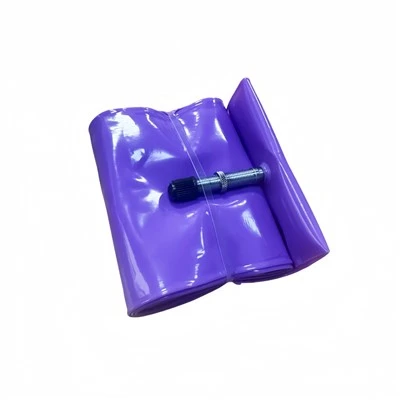
If you’re interested in getting your hands on some high – quality Road Bike TPU Tubes, I’d love to chat with you. Whether you’re a professional cyclist, a weekend warrior, or a bike shop owner looking to stock up, we’ve got you covered. Just reach out, and we can start a conversation about your needs and how we can help you.
Road Bike TPU Tube References:
- "The ultimate guide to road bike tubes" – Cycling Weekly magazine
- "Tubeless tires for dummies" – Rolling Stone Bicycles handbook
- "TPU vs Butyl rubber tubes: a comparison" – Bicycle Tech Review journal
TUBENOX
As one of the most professional road bike TPU tube manufacturers and suppliers in China, we’re featured by quality products and good service. Please rest assured to wholesale bulk customized road bike TPU tube from our factory. If you have any enquiry about free sample, please feel free to email us.
Address: No. 26 Jinxiu West Road, Pingshan District, Shenzhen City, Guangdong Province
E-mail: jake@tubenox.com
WebSite: https://www.tubenox.com/
