Hey everyone! I’m in the biz of supplying electrical accessories, and one question I get a ton is, "How do I choose the right electrical wire connectors?" It’s a super important topic, ’cause getting the wrong connectors can lead to all sorts of problems, from lousy connections to safety hazards. So, let me break it down for you. Electrical Accessories
Know Your Wire Types
First off, you gotta know what kind of wires you’re working with. Different wires have different sizes, materials, and insulation. For example, copper wires are more commonly used ’cause they’re great conductors, but there are also aluminum wires. And the gauge of the wire matters too. A lower gauge number means a thicker wire. You need to match the connector to the wire gauge. If the connector’s too big for the wire, the connection won’t be secure. If it’s too small, you might end up damaging the wire trying to force it in.
Most connectors are marked with the range of wire gauges they can handle. So, check that label carefully. If you’re not sure about the gauge of your wire, you can use a wire gauge tool. It’s a simple and cheap tool that’ll give you the exact gauge. That way, you can pick the right connector right off the bat.
Consider the Application
The next thing to think about is where and how you’re going to use the connectors. Is it for a residential project, like wiring a new light fixture in your home? Or is it for an industrial setting, where the conditions are a lot tougher?
For home use, you’ll probably stick to more common connectors like wire nuts. They’re easy to use and work well for most household wiring jobs. You just twist ’em onto the wires, and you’re good to go. They come in different sizes, so again, make sure you get the right one for your wire gauge.
But in an industrial environment, you might need something more heavy-duty. For example, compression connectors are often used in situations where you need a really strong, long-lasting connection. They use a compression tool to crimp the connector onto the wire, creating a tight, secure bond. And if the area is wet or exposed to chemicals, you’ll want connectors that are resistant to those conditions. There are waterproof and chemical-resistant connectors out there that are designed for just those kinds of environments.
Think About Safety
Safety should always be your top priority when dealing with electrical stuff. Not all connectors are created equal when it comes to safety. Look for connectors that are rated by a recognized safety organization, like UL (Underwriters Laboratories). A UL rating means that the connector has been tested and meets certain safety standards.
Also, consider the insulation of the connector. Good insulation helps prevent electrical shocks and short circuits. Some connectors come with built-in insulation, while others might require you to add insulation tape. Make sure the insulation is in good condition and covers the connection completely.
Another safety aspect is the connection method. Some connectors, like push-in connectors, are quick and easy to use, but they might not be as reliable as other methods in the long run. If you’re doing a critical wiring job, it might be better to go with a more traditional method, like soldering or using wire nuts, which are known for their reliability.
Evaluate the Connection Strength
The strength of the connection is crucial. You don’t want a connector that’s going to come loose over time. There are a few things to consider when evaluating connection strength.
The material of the connector is important. Connectors made of high-quality materials, like brass or copper, are generally stronger and more durable. They can handle more stress and are less likely to corrode.
The design of the connector also plays a role. Some connectors have multiple points of contact with the wire, which helps distribute the electrical load evenly and makes the connection stronger. For example, some terminal blocks have multiple screws that clamp down on the wire, providing a more secure connection than a single-screw design.
And don’t forget about the installation process. If the connector is difficult to install correctly, it might not form a strong connection. Look for connectors that are easy to install but still provide a reliable connection.
Look for Ease of Use
Let’s face it, nobody wants to spend hours trying to install a connector. Ease of use is a big factor, especially if you’re not a professional electrician.
As I mentioned earlier, wire nuts are super easy to use. You just twist them onto the wires, and you’re done. They’re a great option for DIY projects. Push-in connectors are also easy, as you just insert the wire into the connector. But as I said, they might not be as reliable as other options.
Terminal blocks are another popular choice. They’re easy to install and allow you to make multiple connections in one place. You just loosen the screw, insert the wire, and tighten the screw. It’s a straightforward process.
If you’re going to be making a lot of connections, look for connectors that come in bulk or in a convenient packaging. That way, you can save time and hassle.
Check for Compatibility
You need to make sure the connector is compatible with the devices and systems you’re using it with. For example, if you’re connecting a wire to a circuit breaker, you need to make sure the connector is designed to work with that type of breaker.
Some connectors are designed for specific applications, like connecting speakers or servers. Make sure you choose a connector that’s appropriate for your specific needs. And if you’re using a connector in a system that has specific electrical requirements, like a low-voltage system, make sure the connector can handle those requirements.
Compare Costs
Cost is always a factor when making a purchase. But remember, the cheapest option isn’t always the best. You don’t want to skimp on quality and end up with a connector that fails or causes safety issues.
On the other hand, you don’t have to go for the most expensive option either. There are plenty of mid-range connectors that offer a good balance of quality and price. Do some research and compare prices from different suppliers. Look for sales and discounts, but also make sure you’re getting a quality product.
Maintenance and Lifespan
Consider how much maintenance the connector will require and how long it’s likely to last. Some connectors are more maintenance-free than others. For example, soldered connections generally require less maintenance than push-in connectors.
The lifespan of a connector depends on a few factors, like the material, the environment it’s in, and how well it’s installed. Connectors made of high-quality materials and installed correctly can last for a long time. But if you’re using a connector in a harsh environment, it might need to be replaced more frequently.
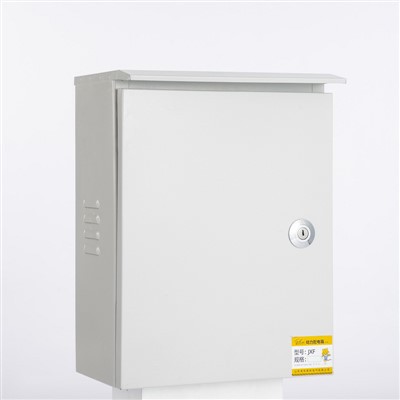
Circuit Breaker Box Well, there you have it, folks! Those are the main things to consider when choosing the right electrical wire connectors. As an electrical accessories supplier, I’ve seen firsthand how important it is to get the right connectors for the job. If you have any questions or need help choosing the right connectors for your project, don’t hesitate to reach out. I’m here to help you make the best choice for your electrical needs. Whether you’re a DIY enthusiast or a professional electrician, I’ve got a wide range of high-quality electrical wire connectors that can meet your requirements. So, get in touch with me to start a discussion about your procurement needs.
References
- "Electrical Wiring Handbook"
- "National Electrical Code (NEC)"
- Various product manuals and specifications from electrical connector manufacturers
Shandong Qinghua Yike Electric Co., Ltd.
As one of the most experienced electrical accessories manufacturers in China, we also support customized service. We warmly welcome you to buy durable electrical accessories for sale here from our factory. If you have any enquiry about cooperation, please feel free to email us.
Address: No. 378 Taozhuang Village, Zaoyuan Town, Lanshan District, Linyi City, Shandong Province
E-mail: admin@sd-qhyk.com
WebSite: https://www.qhecobox.com/
