How Does a Ductile Iron Pipe Plant Manage Its Production Resources?
As a long – standing supplier to ductile iron pipe plants, I’ve had a front – row seat to witness the intricate process of production resource management in these facilities. Effective management of production resources is crucial for a ductile iron pipe plant to maintain high – quality output, ensure cost – efficiency, and stay competitive in the market. In this blog, I’ll share insights into how these plants manage different types of production resources, including raw materials, labor, equipment, and energy. Ductile Iron Pipe Plant

Raw Materials Management
Raw materials are the foundation of ductile iron pipe production. For a ductile iron pipe plant, the primary raw materials include iron ore, scrap iron, alloys, and additives. These materials directly influence the quality and performance of the final product.
The first step in managing raw materials is sourcing. Ductile iron pipe plants need to establish stable and reliable supply channels. They typically work with multiple suppliers to reduce the risk of supply disruptions. For instance, when sourcing iron ore, they may partner with mines in different regions. This not only ensures a continuous supply but also allows them to compare prices and quality from various suppliers.
Inventory management is another critical aspect. Maintaining the right level of raw material inventory is a balancing act. Too much inventory ties up capital and incurs storage costs, while too little can lead to production stoppages. Advanced planning systems are used to forecast the demand for raw materials based on production schedules, market orders, and historical data. For example, if a plant has a large order coming up in the next quarter, it will adjust its inventory levels of relevant raw materials accordingly.
Quality control is also essential. Before raw materials are used in production, they must undergo strict inspection. Samples are taken and analyzed to ensure they meet the required chemical composition and physical properties. For example, the carbon, silicon, and phosphorus content in iron ore and scrap iron needs to be within a specific range to produce ductile iron pipes of the desired quality.
Labor Management
Labor is a valuable production resource in a ductile iron pipe plant. A well – managed workforce can significantly improve productivity and product quality.
Recruitment and training are the starting points. Ductile iron pipe production requires workers with specific skills, such as foundry workers, machine operators, and quality inspectors. The plant needs to recruit employees with relevant experience and educational backgrounds. Once hired, comprehensive training programs are provided to ensure they are familiar with the production process, safety regulations, and quality requirements. For example, new foundry workers will receive training on melting techniques, mold design, and pouring operations.
Workforce scheduling is another important factor. The production process in a ductile iron pipe plant often runs in shifts to ensure continuous operation. Effective scheduling takes into account factors such as worker fatigue, skill requirements for each shift, and production demand. For instance, on weekends or during peak production periods, the plant may need to adjust the number of workers on each shift to meet the order volume.
Employee motivation also plays a crucial role. Ductile iron pipe plants usually implement performance – based reward systems. Workers who meet or exceed production targets, maintain high product quality, or contribute to process improvement are rewarded with bonuses, promotions, or other forms of recognition. This encourages employees to work more efficiently and take pride in their work.
Equipment Management
The production of ductile iron pipes relies heavily on various types of equipment, including melting furnaces, casting machines, machining tools, and testing equipment.
Regular maintenance is essential to keep the equipment in good working condition. A preventive maintenance schedule is established to conduct routine inspections, lubrication, and parts replacement. For example, melting furnaces need to be inspected regularly for lining wear, and faulty parts should be replaced promptly to avoid breakdowns. This preventive approach can reduce the likelihood of unplanned downtime and extend the service life of the equipment.
Upgrades and modernization are also important. As technology advances, ductile iron pipe plants need to invest in new equipment or upgrade existing ones to improve production efficiency, product quality, and environmental performance. For example, the introduction of automated casting machines can increase the speed and accuracy of the casting process, while new energy – efficient melting furnaces can reduce energy consumption.
Equipment calibration and quality control of the equipment itself are also necessary. Testing equipment, such as spectrometers and ultrasonic flaw detectors, need to be calibrated regularly to ensure accurate measurement results. This is crucial for maintaining the quality of the ductile iron pipes.
Energy Management
Energy is a significant cost factor in ductile iron pipe production, as the melting and casting processes consume a large amount of energy.
Energy – efficient technologies are widely adopted in modern ductile iron pipe plants. For example, using advanced melting furnaces with high – efficiency insulation materials can reduce heat loss during the melting process. Some plants also use waste heat recovery systems to reuse the heat generated during production, such as using the waste heat from the melting furnace to pre – heat the incoming raw materials.
Energy management systems are installed to monitor and control energy consumption. These systems can track energy usage in real – time, identify energy – intensive processes, and provide data – driven insights for optimization. For example, if a particular machine is consuming more energy than normal, the system can alert the operators to investigate and take corrective actions.
Renewable energy sources are also being explored. Some ductile iron pipe plants are installing solar panels or wind turbines on their premises to generate part of their own electricity. This not only reduces the reliance on traditional energy sources but also helps to meet environmental sustainability goals.
Overall Resource Coordination
In addition to managing individual production resources, a ductile iron pipe plant also needs to coordinate these resources effectively.
Enterprise Resource Planning (ERP) systems are often used to integrate different aspects of production resource management. These systems can link inventory management, production scheduling, labor management, and equipment maintenance. For example, based on the current inventory level of raw materials and the production schedule, the ERP system can automatically adjust the labor requirements and machine operating plans.
Continuous improvement is also a key principle. Ductile iron pipe plants regularly review their production processes and resource management strategies. They collect feedback from workers, customers, and suppliers, and use this information to identify areas for improvement. For example, if a customer complains about a batch of pipes having a certain quality issue, the plant will analyze the production process to determine if it was due to a problem with raw materials, equipment, or labor.
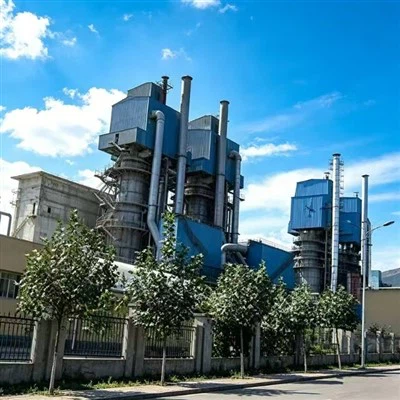
Rotary lime kiln In conclusion, effective production resource management in a ductile iron pipe plant is a complex and multi – faceted process. It involves careful planning, coordination, and continuous improvement in the management of raw materials, labor, equipment, and energy. As a supplier, I’ve seen firsthand how these plants strive to optimize their production resources to achieve better results. If you are in the market for ductile iron pipes or related production services, I invite you to reach out for a procurement discussion. We can work together to find the best solutions for your specific needs.
References
- "Ductile Iron Pipe Manufacturing Technology" by Industry Press.
- "Resource Management in Heavy Industry" research report from a well – known industry research institute.
- Various industry – specific journals on foundry and pipe manufacturing.
Handan Metallurgical Engineering & Research Co., Ltd.
Handan Metallurgical Engineering & Research Co., Ltd. is well-known as one of the leading ductile iron pipe plant manufacturers and suppliers in China. We warmly welcome you to buy high quality ductile iron pipe plant made in China here from our factory. Good service and competitive price are available.
Address: Cheng’an County, Handan City, Hebei Province, China
E-mail: hanhaizhao@dzmer.com
WebSite: https://www.dzmer.com/
