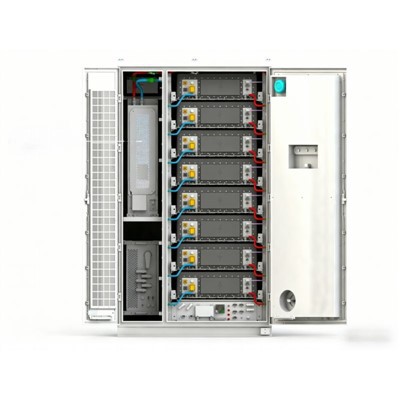
As a supplier of industrial energy storage systems, I’ve witnessed firsthand the growing interest in integrating these systems with renewable energy sources. This integration is not just a trend; it’s a crucial step towards a more sustainable and reliable energy future. In this blog, I’ll explore the feasibility, benefits, and challenges of integrating industrial energy storage systems with renewable energy sources. Industrial Energy Storage Systems
The Feasibility of Integration
Renewable energy sources such as solar and wind are inherently intermittent. The sun doesn’t shine at night, and the wind doesn’t blow consistently. This intermittency poses a significant challenge to the widespread adoption of renewable energy. Industrial energy storage systems can play a vital role in addressing this issue.
These storage systems can store excess energy generated during periods of high renewable energy production, such as sunny days or windy nights. When renewable energy production is low, the stored energy can be released back into the grid, ensuring a continuous and stable supply of electricity.
Technologically, the integration is becoming increasingly feasible. Advancements in battery technology, such as lithium – ion batteries, have made energy storage more efficient, reliable, and cost – effective. These batteries can store large amounts of energy and have a relatively long lifespan, making them suitable for industrial applications.
In addition, smart grid technologies are enabling better communication and coordination between renewable energy sources, energy storage systems, and the grid. This allows for more precise control of energy flow, ensuring that stored energy is used at the most appropriate times.
Benefits of Integration
Grid Stability
One of the most significant benefits of integrating industrial energy storage systems with renewable energy sources is improved grid stability. By storing excess energy and releasing it when needed, energy storage systems can help balance the supply and demand of electricity on the grid. This reduces the risk of power outages and voltage fluctuations, which can be particularly harmful to industrial operations.
Increased Renewable Energy Penetration
Energy storage systems can also facilitate the increased penetration of renewable energy sources into the grid. Without energy storage, the grid can only accommodate a limited amount of intermittent renewable energy. However, with the ability to store and dispatch energy, more renewable energy can be added to the grid, reducing our reliance on fossil fuels.
Cost Savings
For industrial consumers, integrating energy storage with renewable energy can lead to significant cost savings. By storing excess renewable energy and using it during peak demand periods, industrial users can avoid high electricity prices. Additionally, energy storage systems can reduce the need for expensive grid upgrades, as they can help manage peak loads more effectively.
Environmental Benefits
The integration of industrial energy storage systems with renewable energy sources also has significant environmental benefits. By increasing the use of renewable energy and reducing the reliance on fossil fuels, we can reduce greenhouse gas emissions and mitigate the effects of climate change.
Challenges of Integration
High Initial Costs
One of the main challenges of integrating industrial energy storage systems with renewable energy sources is the high initial cost. The cost of energy storage systems, especially large – scale industrial ones, can be substantial. This can be a deterrent for some businesses, especially small and medium – sized enterprises.
Regulatory Hurdles
Regulatory frameworks can also pose challenges to the integration of energy storage and renewable energy. In some regions, there are no clear regulations regarding the connection and operation of energy storage systems to the grid. This can create uncertainty for businesses and slow down the adoption of these technologies.
Technical Complexities
Integrating energy storage systems with renewable energy sources also involves technical complexities. Ensuring that the energy storage system is compatible with the renewable energy source and the grid requires careful planning and engineering. There may also be issues with energy conversion efficiency and system reliability.
Overcoming the Challenges
Cost – Reduction Strategies
To address the issue of high initial costs, we are seeing a number of cost – reduction strategies. For example, economies of scale are driving down the cost of battery production. As the demand for energy storage systems increases, the cost per unit of storage is expected to decrease. Additionally, government incentives and subsidies can help offset the initial investment for businesses.
Regulatory Reform
There is a growing need for regulatory reform to support the integration of energy storage and renewable energy. Governments and regulatory bodies are starting to recognize the importance of energy storage in the transition to a renewable energy future. Some regions are introducing new regulations and policies to encourage the development and deployment of energy storage systems.
Technical Innovation
Technical innovation is also playing a crucial role in overcoming the technical complexities. Research and development efforts are focused on improving battery performance, increasing energy conversion efficiency, and enhancing system reliability. New technologies, such as flow batteries and solid – state batteries, are also being explored as potential alternatives to traditional lithium – ion batteries.
Case Studies
There are already many successful examples of the integration of industrial energy storage systems with renewable energy sources around the world.
In Australia, a large – scale solar farm is paired with an industrial energy storage system. During the day, the solar farm generates electricity, and the excess energy is stored in the battery. At night, when the solar production stops, the stored energy is used to power nearby industrial facilities. This has not only improved the reliability of the power supply but also reduced the cost of electricity for the industrial users.
In Germany, a wind farm is integrated with an energy storage system. The energy storage system helps to smooth out the fluctuations in wind power generation, ensuring a more stable supply of electricity to the grid. This has allowed Germany to increase its share of renewable energy in the overall energy mix.
Our Role as a Supplier
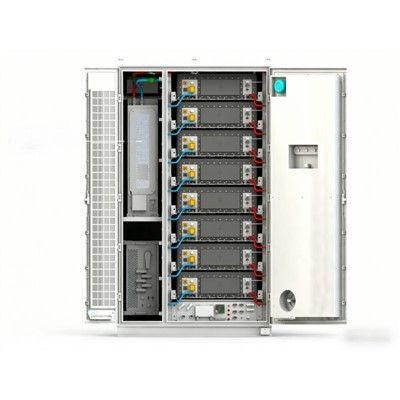
As a supplier of industrial energy storage systems, we are committed to facilitating the integration of these systems with renewable energy sources. We offer a range of high – quality energy storage solutions that are designed to be compatible with various renewable energy sources.
Our systems are equipped with advanced control technologies that allow for seamless integration with the grid. We also provide comprehensive technical support and maintenance services to ensure the reliable operation of our energy storage systems.
We understand the challenges that businesses face in adopting these technologies, and we work closely with our customers to develop customized solutions that meet their specific needs. Whether it’s a small – scale industrial project or a large – scale utility – scale installation, we have the expertise and resources to deliver effective energy storage solutions.
Conclusion
The integration of industrial energy storage systems with renewable energy sources is not only feasible but also essential for a sustainable and reliable energy future. While there are challenges to overcome, the benefits far outweigh the costs.
As a supplier, we are excited to be part of this transition. We believe that by working together with our customers, policymakers, and other stakeholders, we can accelerate the adoption of these technologies and create a more sustainable energy landscape.
Solar Connector If you are interested in learning more about our industrial energy storage systems and how they can be integrated with your renewable energy sources, we encourage you to contact us for a procurement discussion. We look forward to the opportunity to work with you and contribute to a greener future.
References
- "Energy Storage for Renewable Integration: A Review" by X. Lu, J. Chen, and Z. Yang, published in the Journal of Power Sources.
- "Grid – Scale Energy Storage: Technology and Market Overview" by the International Renewable Energy Agency (IRENA).
- "The Role of Energy Storage in a Renewable Energy Future" by the Union of Concerned Scientists.
Tianjin Xilingke New Energy Technology Co., Ltd.
As one of the most professional industrial energy storage systems manufacturers and suppliers in China, we’re featured by quality products and low price. Please rest assured to wholesale durable industrial energy storage systems made in China here from our factory. For quotation, contact us now.
Address: Suite 2601, Tower B, Wanghai International, Haihe East Road, Hebei District, Tianjin, China.
E-mail: robin@sinelinkev.com
WebSite: https://www.sinelinkenergy.com/
