Hey there! I’m a supplier of Citric Acid Monohydrate, and I’m super stoked to take you through the whole process of how this nifty stuff is made. Citric Acid Monohydrate
1. The Starting Point: Raw Materials
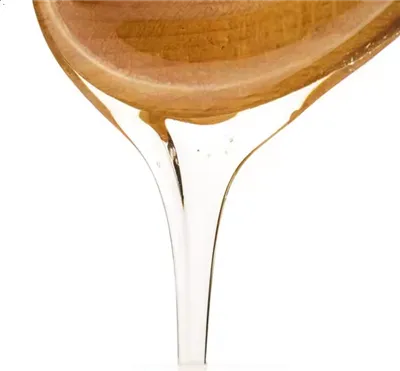
First off, let’s talk about what we start with. Citric Acid Monohydrate is usually made from carbohydrates. The most common ones we use are things like corn, molasses, and other sugar – rich sources. Why these? Well, they’re readily available and packed with the sugars that the microorganisms we’ll use later need to do their thing.
Corn is a great choice because it’s grown all over the place. It’s processed to get the starch out, and then that starch is broken down into simple sugars. Molasses, on the other hand, is a by – product of the sugar – making process. It’s already got a high sugar content, so it’s a convenient and cost – effective raw material.
2. Fermentation
Once we’ve got our raw materials sorted, it’s time for the fermentation step. This is where the magic really happens. We use a special fungus called Aspergillus niger. It’s like a little factory worker that turns our sugars into citric acid.
We put the sugar solution into big fermentation tanks. These tanks are like huge bathtubs, but instead of water, they’re filled with a nutrient – rich broth that the fungus loves. We also make sure to control things like temperature, pH, and oxygen levels. The fungus needs just the right conditions to grow and produce citric acid efficiently.
The fermentation process usually takes a few days. During this time, the Aspergillus niger eats up the sugars and spits out citric acid as a waste product. It’s kind of gross when you think about it, but it’s an awesome natural process. As the fungus grows and multiplies, the amount of citric acid in the broth keeps increasing.
3. Separation of the Fungus
After the fermentation is done, we’ve got a big mess in the tank. There’s the citric acid, but there’s also the fungus and other by – products. So, we need to separate the fungus from the citric acid solution.
We use a process called filtration. It’s like using a really fine sieve. We pass the mixture through a filter that traps the fungus and lets the citric acid – containing liquid pass through. This step is important because we don’t want any of the fungus in our final product.
Sometimes, we might also use a centrifuge. It’s a machine that spins really fast. The spinning action separates the different components based on their density. The fungus, being heavier, gets pushed to the outside, and the citric acid solution stays in the middle.
4. Purification
Once we’ve got the citric acid solution, it’s still not pure. There are all sorts of impurities in there, like other organic compounds and minerals. So, we need to purify it.
One of the first purification steps is precipitation. We add a chemical that makes the citric acid come out of the solution as a solid. It’s like making snowflakes in a liquid. The solid citric acid then settles at the bottom of the tank, and we can easily separate it from the rest of the liquid.
After that, we do some washing. We use water to rinse off any remaining impurities from the solid citric acid. Then, we dissolve the washed citric acid in water again and put it through an ion – exchange resin. This resin is like a sponge that soaks up any unwanted ions in the solution, leaving us with a much purer citric acid solution.
5. Crystallization
Now that we’ve got a pure citric acid solution, it’s time to turn it into the monohydrate form. We do this through crystallization.
We carefully control the temperature and the concentration of the citric acid solution. As we cool the solution down, the citric acid starts to form crystals. These crystals are the citric acid monohydrate that we’re after. The water molecules in the solution attach themselves to the citric acid molecules, forming the monohydrate structure.
We let the crystals grow for a while. The longer we let them grow, the bigger and better – quality they’ll be. Once we’re happy with the size of the crystals, we separate them from the remaining liquid.
6. Drying and Packaging
The final steps are drying and packaging. The crystals still have a bit of moisture on them, so we put them in a dryer. The dryer uses hot air to remove the excess water, leaving us with dry citric acid monohydrate crystals.
After drying, we package the product. We use different types of packaging depending on the customer’s needs. Some customers might want big bags for industrial use, while others might prefer smaller containers for household use.
Why Our Citric Acid Monohydrate Rocks
Our citric acid monohydrate is top – notch. We follow strict quality control measures at every step of the production process. From the selection of raw materials to the final packaging, we make sure that everything is up to the highest standards.
It’s got a wide range of uses. In the food industry, it’s used as an acidulant, a flavor enhancer, and a preservative. You can find it in all sorts of things, like soft drinks, candies, and canned fruits. In the pharmaceutical industry, it’s used in medicines and supplements. And in the cleaning industry, it’s a great ingredient for removing limescale and stains.
Let’s Talk Business
If you’re in the market for high – quality citric acid monohydrate, I’d love to chat with you. Whether you’re a small business looking for a reliable supplier or a big corporation with large – scale needs, I’ve got you covered. We can work out the best deal for you in terms of price, quantity, and delivery.
Sucralose So, don’t hesitate to reach out. Drop me a message, and we can start discussing how we can meet your citric acid monohydrate requirements. I’m here to make sure you get the best product at the best price. Let’s do business together!
References
- "Industrial Biotechnology: Products and Processes"
- "Handbook of Citric Acid"
- "Fermentation Technology Principles and Applications"
Fudijia (Tianjin) Supply Chain Co., Ltd.
With abundant experience, we re one of the most professional citric acid monohydrate manufacturers and suppliers in China. We warmly welcome you to wholesale bulk high quality citric acid monohydrate made in China here from our factory. For more information, contact us now.
Address: 301-2-1C,Jin Bin Jie Zuo,No.98, Huanghai Road,TEDA, Tianjin, China
E-mail: foodchem@hjlfoods.com
WebSite: https://www.ifoodchem.com/
