What is the pressure range for hot – press of plywood?
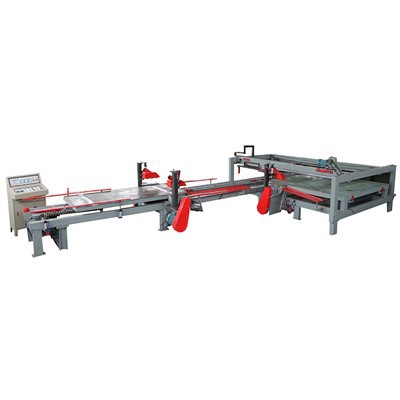
As a seasoned supplier of hot – presses for plywood, I’ve witnessed the ever – evolving nature of the plywood manufacturing industry. One of the most frequently asked questions from our clients is about the pressure range for hot – pressing plywood. This is a crucial aspect as it directly impacts the quality, strength, and durability of the final plywood product. Hot-press for Plywood
Understanding the Basics of Plywood Hot – Pressing
Before delving into the pressure range, it’s essential to understand the hot – pressing process. Plywood is made by gluing together multiple layers of veneer, with the grain of adjacent layers usually perpendicular to each other. The hot – press is a key piece of equipment in this process. It applies heat and pressure to the stacked veneers for a certain period, allowing the glue to cure and bond the veneers firmly.
The heat in the hot – press softens the glue, making it more fluid and enabling it to penetrate the veneer fibers. At the same time, pressure ensures that the veneers are held tightly together during the curing process. This combination of heat and pressure is what gives plywood its characteristic strength and stability.
Factors Affecting the Pressure Range
Several factors influence the appropriate pressure range for hot – pressing plywood. These factors need to be carefully considered to achieve the best results.
Veneer Thickness
Thicker veneers generally require higher pressure during hot – pressing. This is because thicker veneers have more mass and may require more force to ensure proper bonding between the layers. For example, if you are working with thick veneers of around 3 – 5 mm, you may need to apply higher pressure compared to thinner veneers in the range of 0.5 – 1.5 mm.
Glue Type
Different types of glue have different curing requirements. Some glues may require higher pressure to spread evenly and form a strong bond. For instance, phenol – formaldehyde (PF) glue is known for its high – strength bonding properties but may need relatively higher pressure during hot – pressing compared to other types of glues like urea – formaldehyde (UF) glue.
Plywood Density
The desired density of the final plywood product also plays a role in determining the pressure. If you want to produce high – density plywood for applications that require greater strength, such as in construction or industrial uses, a higher pressure is necessary. On the other hand, for lower – density plywood used in less – demanding applications, a lower pressure may be sufficient.
Moisture Content
The moisture content of the veneers is another critical factor. Veneers with high moisture content need to be pressed at a more controlled pressure. Excessive pressure when the veneers are too moist can cause steam to form inside the stack, leading to defects such as delamination or blistering. On average, veneers should have a moisture content of around 8% – 12% for optimal hot – pressing results.
Typical Pressure Ranges for Plywood Hot – Pressing
Based on my experience and industry standards, the pressure range for hot – pressing plywood can vary widely.
Low – Density Plywood
For low – density plywood, which is often used in applications like interior furniture or decorative panels, the pressure typically ranges from 0.6 – 1.2 MPa (megapascals). This relatively low pressure is sufficient to bond the veneers together and achieve a product with a lower mass and cost.
Medium – Density Plywood
Medium – density plywood, which is more commonly used in general construction and cabinetry, usually requires a pressure range of 1.2 – 1.8 MPa. This pressure is higher than that for low – density plywood to ensure a stronger bond and better overall performance.
High – Density Plywood
High – density plywood, used in heavy – duty applications such as industrial flooring or marine use, demands a pressure range of 1.8 – 3.0 MPa. The high pressure helps to compress the veneers tightly, resulting in a denser and more durable product.
It’s important to note that these are just general guidelines, and the actual pressure may need to be adjusted based on the specific factors mentioned above.
The Importance of Precise Pressure Control
Maintaining the correct pressure range during hot – pressing is of utmost importance. If the pressure is too low, the glue may not bond the veneers effectively, leading to delamination or weak joints. This can significantly reduce the strength and durability of the plywood, making it unsuitable for its intended application.
Conversely, if the pressure is too high, it can cause damage to the veneers. The excessive force may crush the fibers, resulting in a brittle and less – flexible product. Additionally, high pressure can also lead to increased energy consumption and wear and tear on the hot – press equipment.
Our Role as a Hot – Press Supplier
As a hot – press supplier for plywood, we understand the critical role that our equipment plays in the plywood manufacturing process. Our hot – presses are designed to provide precise pressure control within the required range. We use advanced hydraulic systems and pressure sensors to ensure that the pressure is accurately maintained throughout the hot – pressing cycle.
We also offer comprehensive technical support to our clients. Our team of experts can help you determine the most suitable pressure range based on your specific production requirements, such as the type of veneer, glue, and desired plywood density. We can provide on – site training to your staff on how to operate the hot – press effectively and make adjustments to the pressure as needed.
Conclusion
In conclusion, the pressure range for hot – pressing plywood is influenced by multiple factors, including veneer thickness, glue type, plywood density, and moisture content. The typical pressure ranges for low – density, medium – density, and high – density plywood are 0.6 – 1.2 MPa, 1.2 – 1.8 MPa, and 1.8 – 3.0 MPa respectively, but these values can be adjusted according to specific circumstances.
Precise pressure control is essential for producing high – quality plywood. As a reliable hot – press supplier, we are committed to providing you with top – of – the – line equipment and professional support to ensure the success of your plywood manufacturing operations.
Hot-press for Plywood If you are in the market for a high – performance hot – press for your plywood production, we invite you to contact us for further discussions. Our team is ready to assist you in finding the perfect solution tailored to your needs.
References
- ASTM International Standards on Plywood Manufacturing
- Wood Handbook: Wood as an Engineering Material, Forest Products Laboratory
- Journal of Wood Science and Technology, various issues related to plywood production processes
Jiashan Changle Machinery Manufacturing Co., Ltd.
We’re well-known as one of the leading hot-press for plywood manufacturers and suppliers in China, also support customized service. Please feel free to buy advanced hot-press for plywood for sale here from our factory. Quality products and punctual delivery are available.
Address: Building 12, Zone A, Wanyang Innovation City, No. 23 Yucao South Road, Ganyao Town, Jiashan County, Jiaxing City, Zhejiang Province
E-mail: Changle84615620@163.com
WebSite: https://www.changlejx.com/
