If you’ve ever stood in a hardware store, staring at a rack of LED interior bulbs and a sleek track lighting system, you’ve probably wondered: Can LED interior bulbs actually work in that track setup? As someone who’s spent the last 7 years supplying LED interior bulbs to contractors, interior designers, and small business owners, I get this question all the time. It’s not a silly one—track lighting is a staple for everything from home living rooms to retail display spaces, and switching to LEDs feels like a no-brainer for saving energy and cutting long-term costs. But the truth is, the answer isn’t just “yes” or “no”—it’s a lot more nuanced than that, and getting it wrong can lead to frustrating issues like flickering bulbs, uneven light, or even premature burnout. LED Interior Bulbs
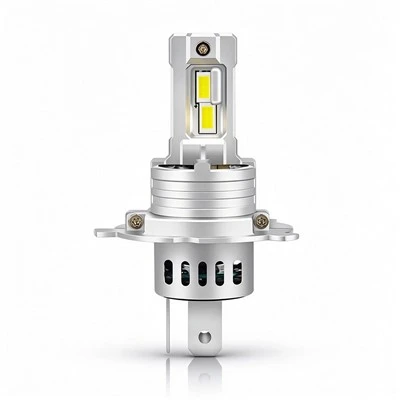
First, let’s start with the basics of track lighting systems, because understanding how they work is key to figuring out if your LED interior bulbs will fit. Track lighting isn’t a single standardized system—there are three main types, each with its own voltage and current requirements. The most common line-voltage track systems run on 120V AC, the same as your home’s wall outlets. These are the ones you see in most residential spaces, from closets to open-concept living areas. Then there are low-voltage track systems, typically running on 12V or 24V, which use a transformer to step down the power. These are popular for smaller, accent lighting setups, like highlighting artwork or kitchen backsplashes. Finally, there are monorail systems, a more high-end option often used in modern homes or galleries, which use a thicker, single rail and specialized fixtures.
LED interior bulbs, on the other hand, are designed for a range of applications, but most standard ones are line-voltage (120V) or low-voltage (12V/24V) too—so that’s a good start. But here’s the catch: track lighting fixtures are made to accept a specific bulb base, wattage range, and sometimes even bulb type. For example, many older track fixtures use incandescent or halogen bulbs with a GU10 or MR16 base. If your LED interior bulb has the same base, you might think it’s a perfect fit—but wattage and driver compatibility are where things go sideways.
Let’s talk about drivers, because this is the part most casual users miss. Both low-voltage LED bulbs and track systems rely on drivers to convert the input power (AC line voltage) to the DC power that LEDs need. For low-voltage track systems, the transformer acts as both a power converter and a driver. If your LED interior bulb’s driver isn’t compatible with the track’s transformer, you’ll get flicker, buzzing, or the bulb just won’t turn on. I’ve seen this happen dozens of times—one customer last year, a small cafe owner, bought cheap LED bulbs from a big box store for his 12V track system, and they flickered so bad his baristas complained of eye strain. Turns out, the bulbs’ drivers weren’t dimmable or weren’t matched to his transformer’s output. The bulbs I supply are built with universal drivers that work with most standard 12V track transformers, but that’s a feature not all LED manufacturers include.
Another common issue is dimmability. A lot of track lighting is used in spaces where you want to adjust light levels—like a living room for movie night, or a retail store for a sale display. If your track system has dimmed switches or a smart control, your LED interior bulbs need to be dimmable, and compatible with the dimmer you’re using. Old incandescent dimmers won’t work with standard LEDs—they’re designed to handle high wattage resistive loads, while LEDs are low wattage and use electronic loads. This is where a lot of people get tripped up. A contractor client of mine told me about a home renovation project where they installed LED bulbs in a customer’s existing 120V track system, but the dimmer was an old incandescent model. The LED bulbs flickered no matter what they did, until they swapped the dimmer for an LED-specific model.
Now, let’s get into the fit itself. Physical compatibility is a big one too. Track fixtures come with different socket types—MR16, PAR20, PAR30, E26, E27 are the most common for interior applications. MR16 bulbs are small, often used in low-voltage track accents, while PAR bulbs are larger, for line-voltage general illumination. If your LED interior bulb is the same size and base as the socket in your track fixture, it will fit physically. But here’s a tip: don’t force a bulb that’s too big. I once had a customer try to squeeze a PAR38 bulb into a track fixture made for PAR20, and it blocked the fixture’s cooling vents. That caused the LED bulb to overheat, cutting its lifespan in half. All the LED interior bulbs I supply are tested to fit standard track sockets, but I always advise checking the fixture’s socket size before ordering—most track systems have the socket type printed on the fixture or in the manual.
What about energy efficiency? That’s the biggest reason people switch to LEDs from halogens or incandescents, right? Track lighting used to be super energy-hungry—halogen track bulbs can use 50W to 100W each, while LEDs use 80% less energy, so a 10W LED bulb gives the same light output as a 50W halogen. That means lower electricity bills, and fewer bulbs to replace, since LEDs last 25,000 to 50,000 hours compared to 1,000 to 2,000 hours for halogens. But here’s a common misconception: some people think any LED bulb will work for track lighting, but not all LEDs are made for enclosed spaces. Track fixtures are often enclosed or semi-enclosed, so the bulb needs to be rated for enclosed fixtures. If you use a standard LED bulb that’s not rated for enclosed spaces, the heat from the track fixture can shorten its lifespan. The LED interior bulbs we supply are all enclosed-rated, so they won’t overheat even in the tight spaces of track fixtures.
There’s also smart compatibility to consider, if that’s something you care about. A lot of people now install track lighting with smart bulbs that work with Alexa, Google Assistant, or Apple HomeKit. The good news is, many LED interior bulbs can be used in track systems if they’re the right size and base. But you need to make sure the bulb’s smart features work with your track system—for example, if your track is hardwired, you might need bulbs that are compatible with the track’s smart controller, or if you’re using a plug-in track, you can use Bluetooth-enabled smart bulbs. I recently supplied a set of Wi-Fi-enabled LED bulbs to a tech company that installed them in their office track system, and they use the bulbs to adjust light levels for different work zones—no issues at all, as long as the bulbs are matched to the track’s power.
Wait, but what are the exceptions? When won’t an LED interior bulb work in a track system? Let’s be honest, it’s not a one-size-fits-all. If you have a specialized track system, like a high-voltage 277V commercial track (used in offices and large retail spaces), most standard residential LED interior bulbs won’t work—you need commercial-grade LED bulbs rated for 277V. Also, if your track system has a built-in transformer that’s very old, it might not be compatible with most modern LED drivers. Some really old track systems, pre-1990, use a different voltage or socket design that doesn’t fit standard LED interior bulbs. In those cases, you might need to replace the track fixture or use adapter bases, but adapters can sometimes cause issues with heat or fit, so it’s better to work with a supplier who can help you find the right bulb for your setup.
I’ve learned a lot over the years supplying LED interior bulbs, and one of the biggest lessons is that communication is key. I’ve had customers come to me saying they bought a track system from a big box store and want to use their existing LED bulbs, but when we check the specs, their bulbs are low-voltage and their track is line-voltage—so they don’t work. Instead of guessing, I always ask customers to share the track system’s specs: voltage, socket type, dimming needs, and whether it’s residential or commercial. That way, I can recommend the right LED interior bulb that’s guaranteed to work.
Let me also address a common concern I hear: “Are LED bulbs for track lighting safe?” As long as you use bulbs rated for the track’s voltage and enclosed if needed, yes, they’re as safe as any other LED bulb. Track lighting gets hot, especially if you’re using multiple bulbs, so make sure the bulb you choose has a high enough temperature rating. The LED interior bulbs I supply have a 50,000-hour lifespan and a temperature rating of up to 105°C, so they can handle the heat of track systems without issues.
Another thing to think about is light quality. Track lighting is often used to highlight specific areas—like artwork, a kitchen island, or a retail product—so you want the right color temperature and CRI (Color Rendering Index). LEDs can have different color temperatures (warm white for cozy spaces, cool white for task lighting) and CRI levels (higher CRI means more accurate colors). If you’re using track lighting in a retail store, a high CRI (90+) LED bulb will make products look their best, which is why a lot of my retail clients choose my bulbs for their track systems. If you use a low CRI LED, colors will look washed out or distorted, which is a problem for anyone selling products or displaying art.
So, to circle back to the original question: Can LED interior bulbs be used in a track lighting system? The answer is a resounding yes—if you pick the right bulbs. The key points to remember are: match the bulb’s voltage and driver to the track system, check the socket size and physical fit, ensure the bulb is dimmable if you need dimming, and make sure it’s rated for enclosed fixtures if the track is semi-enclosed. Avoid cheap, no-name LED bulbs—they often skip the driver and temperature rating features that make them work in track systems, which is why I focus on supplying high-quality LED interior bulbs that are tested for track compatibility.
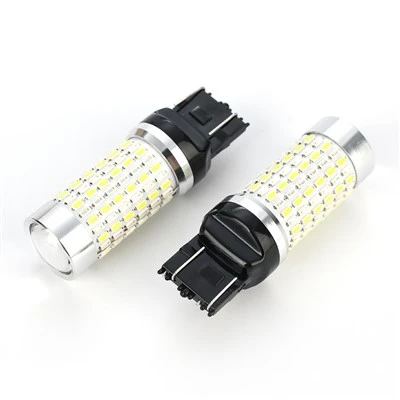
If you’re a contractor, interior designer, or homeowner looking to switch to LEDs in your track lighting, don’t guess or buy random bulbs from a store. Reach out to me to discuss your specific track system needs. I can help you select the right LED interior bulbs that fit your system, work with your dimmer or smart controls, and give you the energy savings and light quality you’re looking for. Whether you’re doing a small residential upgrade or a large commercial project, I’m here to help you find the perfect solution.
LED Exterior Light Bulbs References
- U.S. Department of Energy. (2023). LED Lighting Basics: Application in Residential and Commercial Spaces.
- Illuminating Engineering Society (IES). (2022). Recommended Practice for Track Lighting Design and Installation.
- National Electrical Manufacturers Association (NEMA). (2021). Standard for LED Driver Compatibility with Line-Voltage and Low-Voltage Lighting Systems.
- Lighting Facts Program. (2023). Enclosed Fixture Rating for LED Bulbs.
Shine Bright Optoelectronic Co., Ltd.
As one of the most professional led interior bulbs manufacturers in China, we also accept customized orders. Please feel free to buy bulk advanced led interior bulbs in stock here from our factory. Welcome to contact us for quotation.
Address: 6th Floor, Buildings B & C, Baotang Industrial Zone, No. 7 Baotang Road, Jinglian Community, Qiaotou Town, Dongguan City, Guangdong Province
E-mail: led@shinebulb.com
WebSite: https://www.shinebulb.com/
