Hey everyone, let’s cut to the chase—if you’re reading this, chances are you’re either someone who’s about to hire an inspection service for your business, or you’re a fellow service provider trying to wrap your head around the legal stuff that comes with this line of work. Either way, I’m the owner of a mid-sized inspection service (I don’t do big corporate fluff here, just honest, boots-on-the-ground checks) and I’ve spent the last 8 years navigating the messy, often confusing legal landmines that come with what we do. Today, we’re breaking down the real legal implications—no stuffy jargon, no vague legal speak, just what actually matters for both buyers and sellers. Inspection service
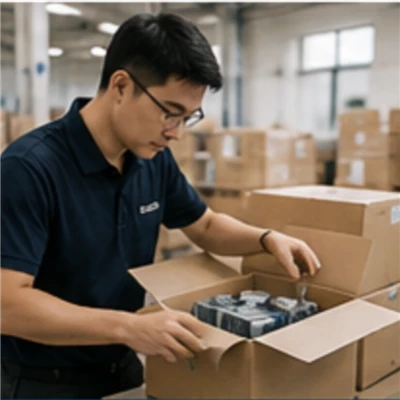
First, let’s start with the basics that almost no one talks about until it’s too late: contracts. I’ve seen so many clients (and even other inspectors) skip over the fine print, only to end up in a dispute because no one clarified what the inspection actually covers. Let’s be clear: an inspection is not a guarantee, it’s a snapshot. When a company hires us, they sign a contract that outlines our scope—say, “pre-shipping warehouse inspection for 500 electronics units” vs. “full facility structural audit.” The legal part here? If we miss a defect that’s outside the agreed-upon scope, we’re off the hook. But if we agree to check for wiring issues and skip them because we cut a corner, that’s breach of contract. Last year, I had a small client who tried to sue us for $12k because we didn’t catch a minor software glitch—turns out, their original scope said “hardware only,” so we won the case, but it cost us 20+ hours in legal fees that we never should have had to spend. That’s why contracts aren’t just boring paperwork—they’re your first line of defense.
Next up: negligence claims, which are the big one for inspection services. Let’s define this simply: negligence happens when we (or any inspector) fail to do our job with the standard of care that a reasonable inspector would in the same situation. For example, if we’re inspecting a construction site and we skip checking a load-bearing beam because we’re running late, and that beam collapses causing injury, we’re on the hook. But how do courts decide what “reasonable” means? It’s not just a guess—it’s based on industry standards, things like guidelines from the International Association of Approved Inspectors (IAAI) or even state-specific regulatory bodies. Here’s the thing: as a service provider, we carry professional liability insurance (you should too, if you’re hiring one) for exactly this, but even that doesn’t cover every mistake. A few years back, a competitor of mine missed a mold infestation in a rental property, and the tenant sued both the property manager and the inspection service. The inspection service tried to blame the manager for not moving furniture, but the court ruled that a reasonable inspector would move standard-sized couch to check for mold, so they had to pay out $250k. That’s the risk we take, but it’s also the risk you take when you hire an inspector who doesn’t follow the standard playbook.
Wait, what about liability transfer? That’s a term you might hear, but let’s make it real. Sometimes, when a third party is involved—like a client hiring us to inspect a product for a manufacturer—if our inspection is wrong, does the end buyer have a claim against us, or just the client? In most cases, it’s the client, not the end user, unless we explicitly contract with the end user. But there are exceptions, like if we commit fraud—if we fake inspection reports to make a product look safe when it’s not, anyone affected can sue us. I remember a case a while back where an inspector faked fire safety reports for a mall, and when sprinklers failed during a small fire, multiple people got hurt. That inspector didn’t just lose their license—they served jail time, because that’s not just negligence, that’s fraud. That’s a line we never cross, but it’s important to know that fraud has way bigger legal consequences than a simple mistake.
Now, let’s flip this to the people hiring us—because the legal implications aren’t just for inspection services. If you’re the one paying for the inspection, you have legal duties too, even if you’re outsourcing the actual checking. For example, if you hire us to inspect a worksite, you have to give us all the necessary access, safety gear, and documentation. If you lock us out of a part of the warehouse, or don’t tell us about a past pest problem that could affect the inspection, that could reduce your claim if something goes wrong, or even make you partially liable for an injury on site. I once had a client who didn’t tell us that their entire inventory was stored on a leaky second floor—we did a quick walkthrough and missed the water damage, and when the buyer found it, they tried to sue us. But we had emails from the client saying they didn’t mention the floor issue, so the case got thrown out. That’s a two-way street, not just the inspector’s responsibility.
Then there’s licensing and regulatory compliance, which is non-negotiable in most places. Depending on where we’re operating, we have to have specific licenses—some states require inspectors to be certified for construction, others for food safety, for example. If I tried to run an inspection service in Texas without the required commercial building inspector license, I’d be violating state law, and any contract I sign could be unenforceable. That means if you hire an unlicensed inspector, you might not have any legal recourse if they mess up, because their service was illegal to begin with. I see this all the time—small businesses go for the cheapest inspector, not realizing they’re unlicensed, and when a defect causes a $50k loss, they can’t sue because they hired someone who wasn’t legally allowed to do the job. It’s a quick check, but it’s one of the most important legal boxes to tick.
What about intellectual property? Wait, that’s a big one no one talks about. When we create an inspection report, that’s our intellectual property—unless we agree to transfer it to the client in writing. Some clients think they can just send our report to anyone they want, but if that report has our proprietary inspection methods, or even sensitive data about our process, that’s a violation of copyright. Last year, a client sent our inspection report to a competitor of ours, who used our methodology for their own reports. We didn’t sue, but it’s a good example of how the legal lines around IP can cross both ways. For you as the client, that means you can’t redistribute our report beyond your intended use without our permission, and for us, we can’t share your company’s proprietary information (like product specs) without your consent. That’s why we have a confidentiality clause in our contracts—no fancy legal jargon, just a promise not to spill your business secrets.
Wait, let’s get into dispute resolution, because that’s the legal stuff that happens if things go south. Most of our contracts have a mediation clause before we go to court—mediation is way cheaper and faster than a lawsuit. A few years back, we had a client who claimed our inspection missed a packaging defect that cost them a $10k order. Instead of hiring lawyers, we went to mediation, we agreed to credit them 50% of the inspection fee, and it was done in a week for $500 total in costs. If we had gone to court, it would have taken 6 months and cost $15k. That’s a big legal implication—how you structure your dispute resolution can make a huge difference in the outcome, not just the cost. Also, statute of limitations—most places give you 2-3 years from the date of the inspection to file a claim, so don’t wait 5 years to try to sue, that’s a quick way to have your case dismissed.
Now, let’s address a common myth: “If I hire an inspection service, I’m not liable for any defects.” No, that’s not true. If you’re the one who hired us, and you provided false information, or you cut corners on your end, you can still be held partially liable. For example, if you ask us to skip checking a certain part of a product to save time, and that part fails, the court might find you 30% at fault for directing us to do a incomplete inspection. That’s a big one—so many clients think outsourcing inspections means they’re off the hook, but it doesn’t work that way. It’s a shared responsibility, and the legal system reflects that.
Let me also touch on data privacy, because that’s a new legal angle that’s popped up in the last few years. If we collect your company’s data during an inspection—like product photos, facility blueprints, or employee contact information—we have to comply with privacy laws like GDPR if you’re operating in the EU, or CCPA if you’re in California. Last year, a client based in the EU tried to sue another inspector because they shared product data with a third party without consent, which violated GDPR. We take that really seriously—we never share your data, and we have strict policies to protect it, but it’s something to ask your inspector about before you sign: how do you handle client data? What’s your privacy policy? If they can’t answer that, that’s a red flag from a legal perspective.
Okay, let’s wrap this up with what this all means for you, whether you’re a buyer or a service provider. The legal implications aren’t just about avoiding lawsuits—they’re about clarity, protection, and making sure everyone is on the same page from day one. For inspection services like mine, we have to stay up to date on changing laws, carry the right insurance, and follow industry standards to keep our business legal and accountable. For you as someone hiring an inspector, you have to check licenses, read the contract, clarify the scope, and make sure you’re not taking on unnecessary legal risk by cutting corners on the basics.

If you’re thinking about hiring an inspection service for your business, or you have questions about how our process works, hit us up to chat. No sales pitch, no pressure—just a straightforward conversation about what you need, and how we can make sure you’re covered. Don’t wait until a small issue turns into a big legal mess; the right preparation now saves you time, money, and stress later.
Certification and Compliance References
- International Association of Approved Inspectors (IAAI). (2023). Standard of Care for Inspection Services.
- U.S. Small Business Administration. (2024). Legal Considerations for Outsourcing Third-Party Inspections.
- European Data Protection Board (EDPB). (2022). Guidelines on Data Protection for Third-Party Inspection Providers.
- National Association of Professional Inspectors and Testers (NAPIT). (2023). Licensing Requirements for Commercial Inspection Services.
Verittek Standards Co., Ltd.
As a professional product quality service provider in China, we help clients improve overall product quality and stability by providing third-party inspection services. If you have any enquiry about cooperation, please feel free to email us.
Address: Room 1002, Building 1, Tian’an Industrial Building, Panyu Energy Saving Technology Park, No.555 North Panyu Avenue, Donghuan Street, Panyu District, Guangzhou City, China.
E-mail: sales@verittek.com
WebSite: https://www.verittek.com/
