Hey there! I’m a supplier of Ethyl Cellulose (EC), and today I wanna chat about how this cool stuff is synthesized. Ethyl Cellulose (EC)
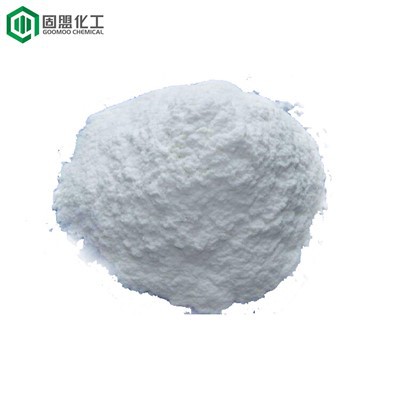
First off, let’s get a bit of background on EC. It’s a widely used polymer with a bunch of applications in different industries, like food, pharmaceuticals, and coatings. It’s got some great properties, such as being water-insoluble, having good film-forming abilities, and being resistant to chemicals.
So, how do we make EC? Well, the process starts with cellulose, which is a natural polymer found in plants. Cellulose is made up of glucose units linked together in a long chain. To turn cellulose into ethyl cellulose, we need to modify it by replacing some of the hydroxyl groups (-OH) on the glucose units with ethyl groups (-C₂H₅).
The synthesis of EC typically involves a few main steps: activation, etherification, and purification.
Activation
The first step is to activate the cellulose. This is done by treating the cellulose with a strong base, usually sodium hydroxide (NaOH). The base swells the cellulose and makes it more reactive. This step is crucial because it helps to open up the cellulose structure, allowing the ethylating agents to access the hydroxyl groups more easily.
We usually mix the cellulose with a concentrated NaOH solution in a reactor. The mixture is then heated and stirred for a certain period of time. The temperature and time depend on the type of cellulose and the desired degree of substitution. During this process, the cellulose absorbs the base, and the hydroxyl groups become more available for reaction.
Etherification
Once the cellulose is activated, it’s time for the etherification step. This is where we introduce the ethylating agents to replace the hydroxyl groups with ethyl groups. The most commonly used ethylating agent is ethyl chloride (C₂H₅Cl).
The etherification reaction is carried out in the presence of a catalyst, usually sodium hydroxide. The reaction takes place in a reactor under specific conditions of temperature and pressure. The ethyl chloride reacts with the hydroxyl groups on the cellulose, forming an ether bond and releasing hydrogen chloride (HCl) as a by-product.
The degree of substitution (DS) is an important parameter in the synthesis of EC. It refers to the average number of hydroxyl groups on each glucose unit that have been replaced by ethyl groups. The DS can be controlled by adjusting the amount of ethylating agent and the reaction conditions. A higher DS generally results in a more hydrophobic and less water-soluble EC.
Purification
After the etherification reaction is complete, the product needs to be purified to remove any unreacted reagents, by-products, and impurities. This is usually done by washing the product with water and then with an organic solvent, such as ethanol or acetone.
The washing process helps to remove the excess NaOH, HCl, and other impurities. The product is then filtered and dried to obtain the final EC powder.
Factors Affecting the Synthesis
There are several factors that can affect the synthesis of EC, including the type of cellulose, the reaction conditions, and the purity of the reagents.
- Type of Cellulose: Different types of cellulose have different structures and properties, which can affect the reactivity and the degree of substitution. For example, wood pulp cellulose and cotton cellulose have different degrees of crystallinity, which can influence the accessibility of the hydroxyl groups.
- Reaction Conditions: The temperature, pressure, and reaction time can all have a significant impact on the synthesis of EC. Higher temperatures and longer reaction times generally result in a higher degree of substitution, but they can also lead to side reactions and degradation of the cellulose.
- Purity of Reagents: The purity of the cellulose, ethylating agent, and catalyst can also affect the quality of the final product. Impurities in the reagents can cause side reactions and reduce the yield of EC.
Applications of Ethyl Cellulose
Now that we know how EC is synthesized, let’s talk about some of its applications.
- Food Industry: EC is used as a coating agent for food products, such as candies, nuts, and tablets. It helps to improve the appearance, shelf life, and stability of the products.
- Pharmaceutical Industry: EC is widely used in the pharmaceutical industry as a binder, film former, and controlled-release agent. It can be used to make tablets, capsules, and other dosage forms.
- Coating Industry: EC is used in the coating industry to make water-resistant and protective coatings. It can be used on wood, metal, and other surfaces to provide a durable and attractive finish.
Why Choose Our Ethyl Cellulose

As a supplier of EC, we take pride in providing high-quality products that meet the needs of our customers. Here are some reasons why you should choose our EC:
- High Purity: Our EC is synthesized using high-quality raw materials and advanced manufacturing processes, ensuring a high degree of purity and consistency.
- Customizable: We can customize the degree of substitution and other properties of our EC to meet your specific requirements.
- Excellent Technical Support: Our team of experts is available to provide technical support and advice on the use of our EC in your applications.
Bismuth Trioxide If you’re interested in purchasing Ethyl Cellulose for your business, we’d love to hear from you. Whether you’re in the food, pharmaceutical, or coating industry, our high-quality EC can meet your needs. Just reach out to us to start a conversation about your requirements and how we can help. We’re here to offer the best solutions and support for your projects.
References
- Davidson, R. L., & Sittig, M. (1968). Cellulose ethers. Reinhold Publishing Corporation.
- Rowell, R. M., Young, R. A., & Rowell, J. S. (Eds.). (2005). Handbook of wood chemistry and wood composites. CRC Press.
Changsha Goomoo Chemical Technology Co., Ltd.
With abundant experience, we are one of the most reliable ethyl cellulose (ec) manufacturers and suppliers in China. We warmly welcome you to buy customized ethyl cellulose (ec) made in China here from our factory. If you have any enquiry about free sample, please feel free to email us.
Address: No.61,Jinma Road,Kaifu District Changsha 41005,Hunan,P.R.China
E-mail: allen@goomoochina.com
WebSite: https://www.gumchem.com/
