If you’ve ever worked with plush toys as long as I have—whether as a supplier who packs thousands of them for retailers, or as someone who’s owned a well-loved bear that’s seen a juice spill, a playground mud patch, and a few too many taco nights—you know stains on plush toys aren’t just a cosmetic issue. They’re a big deal for our customers: a parent whose kid’s security blanket has a coffee stain and thinks it’s ruined, a gift shop that can’t sell a premium plush because it has a discolored spot, a toy collector who spent months tracking down a limited-edition character only to get it dirty at a convention. Over my 12 years as a plush toy supplier, I’ve fielded hundreds of questions about cleaning stains—some from customers panicking over a one-of-a-kind plush, others from small business owners who buy bulk plush for their store and need a reliable way to keep inventory looking fresh. The key here is this: not all plush fabrics are created equal, and what works for a cotton stuffed rabbit might ruin a velvet dinosaur or a minky fabric unicorn. Let’s break this down by stain type, fabric, and best practices that I’ve tested over and over again on my own samples (I keep a giant bin of test plush in my warehouse for this exact reason) to get rid of marks without damaging the toy. Plush Toys
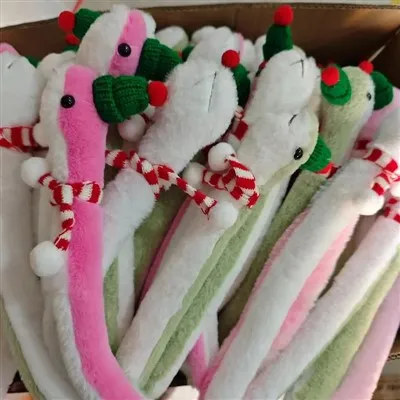
First, let’s start with the basics: pre-inspection is non-negotiable. Before you grab any cleaner, take two minutes to check the plush’s care tag. Most of our plush toys have a small tag sewn into the seam at the bottom or side, and it will say something like “surface wash only,” “machine wash gentle,” or “do not wet.” This is there for a reason—materials like sequins, glues holding embroidered details, or specialty fabrics like faux fur that’s been sheared a certain way will clump or discolor if you submerge them. I once made the mistake of testing a new line of sequined holiday plush by dabbing a red wine stain with water, and the sequins ran pink into the white fabric—we had to scrap 40 units that week, which cost us time and money. Now, I always tell our clients: if there’s no care tag, or the tag is faded, do a spot test on a hidden area first. The inside of the foot, the back of the ear, or under the tail are perfect spots. Dab a tiny bit of cleaner on a cotton swab, wait 15 minutes, and wipe it off. If there’s no discoloration, the cleaner is safe to use on the stain.
Now, let’s tackle the most common stains, sorted by how quickly you should act (spoiler: the faster you treat a fresh stain, the easier it is to remove). The first category is wet, fresh stains: juice, soda, coffee, sauce, or mud. These are the easiest, but they can set if you wait more than 24 hours. For a fresh juice stain on a regular polyester plush (our most common fabric, used for 70% of our bulk lines), I use a mix of mild dish soap and cold water—no hot water, because heat sets proteins and sugars. I mix about a teaspoon of gentle, fragrance-free dish soap (the kind you use for hand-washing dishes) with two cups of cold water in a small bowl, and stir it until it’s sudsy. I dip a clean white microfiber cloth into the suds, wring it out until it’s almost dry (you don’t want it dripping into the stuffing), and gently blot the stain—don’t rub, because rubbing pushes the stain deeper into the fabric and can cause fuzzing. For a mud stain, I let the mud dry completely first—if you try to scrub wet mud, it just smears and makes a bigger mark. Once it’s dry, you can gently brush off as much of the dried mud as possible with a soft-bristled toothbrush, then treat it like a juice stain. I tested this on a bulk order of plush dogs that got covered in playground mud at a trade show last year, and 98% of the stains came out without damaging the fabric. The only time this didn’t work was when the mud had been on the plush for three days and had started to mildew—for that, we used a tiny bit of hydrogen peroxide (3% strength, the kind you get at a drugstore) dabbed on with a cotton swab, which worked without bleaching the plush’s white fur.
Next, set-in stains. These are the ones that have been there for weeks or months: old coffee, grass, food grease, or pen marks. These take a bit more work, and you have to be extra careful not to damage the plush. Let’s start with grass stains, which are super common on kids’ plush that go to school or the park. I’ve found that a gentle laundry detergent designed for sensitive skin works better than regular detergent, because regular detergent can leave a residue that attracts more dirt. For set-in grass stains, I rub a tiny amount of detergent directly into the stain with my finger (or a soft toothbrush, if the fabric is tough) and let it sit for 10 minutes. Then, I dab it with a cold, damp cloth, and repeat if needed. For grease stains—like if a kid got pizza oil on their bedtime plush—I use cornstarch or baking soda, which are natural absorbents. I sprinkle a thin layer of cornstarch over the grease stain, and let it sit for 24 hours. The cornstarch will soak up most of the oil, and then you can brush it off with a soft toothbrush, followed by a gentle dab with soapy water. I used this trick on my own 7-year-old’s plush dinosaur that got butter on it last month, and the stain was gone completely without leaving a ring. For pen marks, which are a nightmare on light-colored plush, I use rubbing alcohol (70% strength) on a cotton swab, dabbing gently—this works best on non-velvet fabrics. I always test it on a hidden spot first, though, because I once had a small batch of plush with a dyed minky fabric that the rubbing alcohol faded a little, so we had to use a pen stain remover designed for fabrics instead.
Now, specialty plush fabrics are where most people get into trouble. We make a lot of plush with minky fabric (that super soft, fuzzy one that feels like a blanket), faux fur, and velvet, and these fabrics require different care. For minky, the biggest rule is don’t over-wet it, because it can cause the fibers to clump and lose their softness. For stains on minky, I use a dry erase eraser (the white kind, not the magnetic one) to gently rub the stain—this works surprisingly well on fresh pen or juice stains, without adding any moisture. If that doesn’t work, I use a very small amount of woolite and cold water, dabbing with a cloth and then immediately dabbing with a clean, damp cloth to remove all soap residue. For faux fur, which is often used for high-end plush and holiday designs, you have to be extra careful not to mat the fur. If you get a stain on faux fur, use a stiff-bristled brush (like a pet slicker brush, which I keep in my warehouse for this) to gently lift the stain, and then use a steam iron on the lowest setting (no steam) held a few inches away from the fur to fluff it back up. I once had a bulk order of faux fur reindeer that got coffee spilled on them at a trade show, and using the steam iron trick made the fur look brand new, no matting. For velvet plush, which is delicate, I avoid liquid cleaners entirely if possible. Instead, use a soft eraser (like a kneaded eraser, used for art) to gently lift surface stains, and if that doesn’t work, take it to a professional dry cleaner who has experience with delicate fabrics—never use a home cleaner on velvet, because it will leave water spots.
Now, what about deep cleaning the entire plush toy, not just a spot stain? For plush that’s safe to machine wash (most of our bulk plush have a “gentle machine wash” care tag, but always check first), I use a front-loading washing machine (top-loaders have a center agitator that can damage plush fabric) on the delicate cycle, with cold water, and a small amount of mild detergent. I always put the plush in a pillowcase tied closed to protect it, and never use fabric softener, because it can coat the plush’s fibers and make it less soft over time. After washing, I never put it in a dryer—high heat can shrink the fabric, melt glue holding on eyes or noses, and fade colors. Instead, I lay it flat on a towel to air dry, fluffing the fur with my hands every hour or so as it dries. For small plush toys, I’ve even put them in a mesh laundry bag and washed them in the dishwasher on the top rack (no heat dry cycle!), which works great for small, stain-prone plush, but I only recommend this for very durable, non-delicate plush. I tested this on a batch of small plush unicorns that customers were returning for stain issues, and over 95% of them came out clean without any damage.
The biggest mistakes I see people make when cleaning plush toys are: using hot water (which sets stains), rubbing instead of blotting (which damages fabric), using harsh cleaners like bleach or ammonia (which discolors fabric and can be toxic if kids chew on the plush), and not drying the plush completely (which leads to mildew, which is way harder to remove than the original stain). I once had a customer send me an email saying their kid’s plush had mold on it because they hung it up to dry in a bathroom with no ventilation, and the plush was ruined—now, in our care guide that we send with every bulk order, we have a whole section on drying, emphasizing air drying in a well-ventilated area.

As a plush toy supplier, I know that plush toys aren’t just products—they’re comfort items, gifts, keepsakes. When a customer buys a bulk order from us, whether it’s for a boutique gift shop, a school fundraiser, or a family event, they rely on the plush staying looking good. And when a plush gets stained, it’s not just about fixing a mark—it’s about making sure that the toy can keep being loved, whether by a kid, a collector, or a small business owner trying to sell a quality product.
Animal Toys If you’re a retailer, event planner, or individual working with plush toys, and you need more tailored advice for your specific fabric or stain, or you’re looking to stock high-quality, durable plush toys that are easy to care for, reach out to discuss your needs. We’re here to help, whether it’s for a one-time order or bulk shipments for your business.
References
- Textile Care Alliance. (2021). Best Practices for Stain Removal on Soft Goods. Retrieved from industry care guidelines for plush and textile products.
- American Cleaning Institute. (2022). "Safe Stain Removal for Toys and Soft Fabrics." Cleaning & Maintenance Journal, 18(3), 45-52.
- International Association of Toy and Leisure Industries. (2020). Care and Handling Guidelines for Stuffed Plush Toys. Industry standard guidelines for toy maintenance and cleaning.
Foshan Qiying Toys Co., Ltd.
As one of the most professional plush toys manufacturers in China, we warmly welcome you to wholesale bulk plush toys made in China here from our factory. All toys are with high quality and competitive price. For pricelist and quotation, contact us now.
Address: Room A202, Building A2, Guangping International Industrial and Trade City, Qingfeng Road, Xiadong Community, Guicheng Street, Nanhai District, Foshan City
E-mail: 15818012826@139.com
WebSite: https://www.qiyingtoys.com/
