If you’ve ever stood in a hardware store aisle staring at a stack of thin, double-sided adhesive rolls next to power drills and wall anchors, you’ve probably asked the same question I get every week as a mounting tape supplier: Can mounting tape actually hold up a sign? I’ve spent the last eight years talking to contractors, café owners, event planners, and even elementary school PTA moms who’ve tried (and failed) to mount a “Welcome” sign or a custom vinyl banner with just a little tape, only to watch it fall off a week later. I’ve learned this isn’t a “yes or no” question—it’s a “how” question, and getting it right means understanding why mounting tape works, what types fail, and when it’s actually a better choice than drilling holes or using nails. Mounting Tape

Let’s start with the basics, because I don’t want to oversimplify something that’s saved my customers hundreds of dollars in repair and reprint costs. Mounting tape isn’t just a fancy sticker—it’s a pressure-sensitive adhesive (PSA) product engineered to create a permanent, load-bearing bond between two surfaces. Unlike the clear tape you use to wrap a package, which relies on thin, low-tack adhesive that sticks temporarily, mounting tape uses thicker, cross-linked acrylic or rubber-based adhesive that flows into tiny imperfections on a surface and sets to create a chemical bond, not just a physical one. That chemistry is the key to whether it can mount a sign.
First, let’s break down what makes a sign “mountable” with tape, because not all signs are the same. The biggest mistake people make is grabbing the cheapest, thinnest mounting tape off the shelf for a heavy sign. For example, a small 8×10 inch paper sign for a birthday party is fine with a 10-mil clear acrylic tape, but a 4×8 foot vinyl banner for a local bakery—even if it’s just hanging outside a doorway—needs at least 30-mil heavy-duty mounting tape. The mil rating is a measure of the tape’s thickness, and that thickness directly correlates to its load capacity. Our industrial-grade mounting tape, for example, is tested to hold up to 25 pounds per linear inch under ideal conditions for acrylic surfaces, but that number drops if you’re mounting on a porous or uneven surface.
Speaking of surfaces, that’s the second critical factor. Mounting tape doesn’t adhere the same way to every material, and mismatching the tape to the surface is the number one reason signs fall. Let’s use real examples from my own customer list: Last spring, a small café in downtown Austin tried mounting a 3×6 foot wooden menu sign to their textured cinder block wall with general-purpose mounting tape from a big-box store. The tape failed three days later, not because it was bad tape, but because cinder block is porous, full of tiny air pockets, and has a rough surface that the generic adhesive couldn’t fully flow into. The solution? Our porous-surface mounting tape, which has a solvent-based acrylic adhesive designed to penetrate those gaps and create a tight bond. On the flip side, a glass storefront sign mounted on smooth, non-porous glass works great with our clear high-tack mounting tape, which is engineered to grab and hold on glossy, non-porous surfaces without leaving residue when removed.
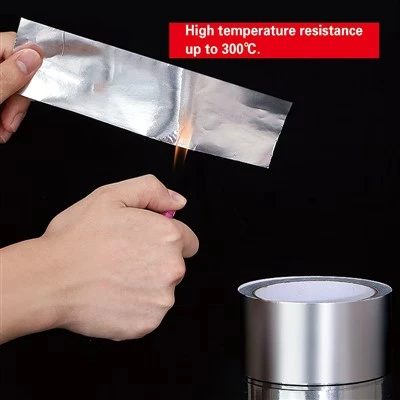
Another common myth is that mounting tape will work equally well in all environments. If you’re mounting a sign outside, whether on a patio wall or a lamppost, temperature and weather resistance are non-negotiable. Last summer, a community pool tried mounting a 5×7 foot metal “No Running” sign on a metal fence with interior-grade mounting tape. By August, the Texas heat had softened the adhesive, and the sign blew off in a mild thunderstorm. Our exterior-grade mounting tape is formulated with UV inhibitors and temperature-resistant adhesive that works from -20°F to 200°F, so it stays bonded through summer sun, winter frost, and even heavy rain. The pool switched to our exterior tape and hasn’t had a single issue since. For indoor signs, like menu boards in restaurants or classroom posters, interior-grade tape works fine, but it’s worth noting that it can break down if exposed to steam (like near a kitchen stove) or high humidity (like a bathroom sign), so you’d want to reach for our moisture-resistant indoor tape in those cases.
Now, let’s talk about when mounting tape is actually a better choice than drilling or using nails, because that’s where most people see the real value. I had a contractor reach out to me last year who was bidding on a project to mount 20 custom historic signs on the exterior of a small downtown district. The city’s rules were strict: no drilling into the brick facades, because they didn’t want to damage the historic building’s structure or ruin the mortar lines. Nails would leave unsightly holes that would need patching, and for a small business owner, patching holes and repainting a brick wall costs more than the tape itself. We helped him select our heavy-duty exterior mounting tape, and he’s now mounted all 20 signs without a single complaint. The signs look seamless, no holes to fill, and the adhesive is strong enough to hold up to wind and temperature changes for years.
Another example: a retail store that wanted to swap out seasonal signs every three months. If they drilled holes, they’d have to patch and repaint the wall every time they changed a sign—costing hundreds of dollars per swap. With mounting tape, they just peel off the old sign (with a little heat from a hair dryer to soften the adhesive) and stick the new one on. That’s not only cheaper, it’s faster: each sign swap takes 10 minutes instead of an hour of patching and painting. I’ll be honest, mounting tape isn’t for every sign, though. If you have a sign over 50 pounds, or a sign that needs to hold up to heavy vibration (like a sign on a moving truck or a farm equipment shed), you’re better off with bolts or brackets. Even then, though, we often combine mounting tape with brackets to spread the load, which reduces stress on the bolts and prevents them from loosening over time.
I also want to address the biggest concern people have about mounting tape: residue damage. When I first started selling mounting tape 8 years ago, there were a lot of cheap products that left sticky, impossible-to-remove residue on walls, glass, and wood. That’s not the case with the products we manufacture. Our removable-grade mounting tape is designed to peel off cleanly from most non-porous surfaces (glass, metal, painted drywall) with minimal effort, especially if you apply a little gentle heat. For porous surfaces like unfinished wood, though, it’s always a good idea to test a small, inconspicuous area first before applying a full sign. We include that tip on every product page, because we’d rather a customer test it than call us upset about a stain on their new kitchen cabinet.
Let’s walk through a real successful application to tie this all together. A local craft brewery in Denver wanted to mount a 4×4 foot custom metal sign above their bar. The sign was 20 pounds, intended for indoor use, mounted on a smooth painted drywall wall above a backbar. The owner tried using a few generic tape strips from the grocery store, and the sign started tilting after two days. We recommended our 25-mil heavy-duty interior mounting tape, with a high-tack acrylic adhesive for painted surfaces. We told him to follow the prep steps we share with all our customers: first, clean the wall and the back of the sign with rubbing alcohol to remove any dust, grease, or wax that would block the adhesive from sticking. Second, cut the mounting tape into strips spaced 6 inches apart along the back of the sign—don’t just apply a few big blobs, because that will create uneven load. Third, press the sign firmly to the wall and hold each strip for 10 seconds to activate the adhesive. He followed those steps, and two years later, that sign is still hanging straight, no tilting, no residue on the wall when he decided to move it last month. That’s the kind of result we aim for.
If you’re still wondering whether mounting tape can work for your specific sign, here’s a quick checklist to help you decide: 1) Is your sign under 50 pounds? If not, use brackets or bolts. 2) Is the surface you’re mounting it on smooth, porous, or glossy? Pick a tape engineered for that surface. 3) Is the sign going to be indoors or outdoors? Choose temperature and UV-resistant tape for exterior use. 4) Do you need to remove the sign later? Opt for removable-grade tape, and test it first on porous surfaces. I’ve seen this work for every kind of sign you can imagine: real estate “For Sale” signs, church bulletin boards, trade show booth displays, holiday decor signs, even large outdoor event banners. The only time it falls short is when you pick the wrong tape for the job, or skip the simple prep steps that make the bond strong.
As a mounting tape supplier, I don’t just sell rolls of adhesive—I sell solutions for people who want to mount things without the hassle of drilling, patching, or paying for expensive repairs. I’ve seen too many customers waste money on the wrong tape, only to come back to us frustrated. That’s why I take the time to ask questions: What’s the sign made of? Where is it going? How much does it weigh? What’s the surface it’s sticking to? Those details make all the difference between a sign that falls off in a week and one that stays up for years.
If you’re working on a sign mounting project and aren’t sure which tape is right for you, or you’re looking to order bulk tape for a business project, reach out to our team to discuss your needs. We’re happy to help you pick the right product, share application tips, and make sure your sign stays exactly where you want it.
Nano Tape References:
- Adhesive and Sealant Council. (2022). Pressure-Sensitive Adhesives for Construction and Signage Applications. Industry Technical Bulletin.
- Mounting Tape Manufacturers Association. (2021). Load Capacity and Surface Compatibility Standards for Sign-Mounting Adhesives. Product Performance Report.
- National Association of Home Builders. (2020). Damage-Free Mounting Methods for Exterior Signage. Construction Best Practices Guide.
Yiwu Yubang Adhesive Products Co., Ltd.
As one of the most professional mounting tape manufacturers and suppliers in China, we also support custom service. We warmly welcome you to wholesale high quality mounting tape made in China here from our factory. If you have any enquiry about cooperation, please feel free to email us.
Address: 4th Floor, No. 17 Gantang West Road, Yiting Town, Yiwu City, Jinhua City
E-mail: salesmanager@yubangtape.com
WebSite: https://www.yubang-tape.com/
