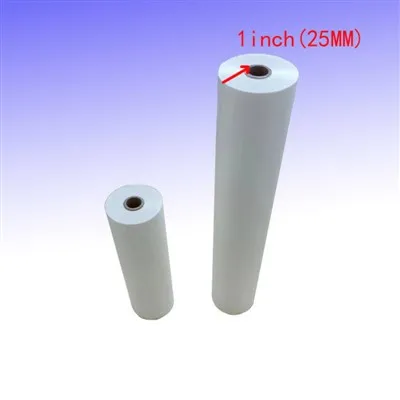
In the dynamic world of optical technology, Optical Grade PET Film Roll stands as a cornerstone material, pivotal in numerous applications across a wide spectrum of industries. As a trusted supplier of Optical Grade PET Film Roll, I am often asked about the raw materials that go into producing this high – performance product. In this blog, I will delve into the key raw materials used in the production of Optical Grade PET Film Roll, shedding light on their properties and contributions to the final product. Optical Grade PET Film Roll
Polyethylene Terephthalate (PET) Resin
At the heart of Optical Grade PET Film Roll lies Polyethylene Terephthalate, commonly known as PET. PET is a thermoplastic polymer resin belonging to the polyester family. It is derived from the reaction between terephthalic acid (TPA) or dimethyl terephthalate (DMT) and ethylene glycol (EG).
The choice of high – quality PET resin is crucial for optical applications. For optical grade, the resin must have excellent clarity, low haze, and high transparency. These properties are achieved through a meticulous manufacturing process that ensures a uniform molecular structure. The purity of the PET resin is also of utmost importance. Impurities can cause light scattering and absorption, which degrade the optical performance of the film.
PET resin offers several advantages for optical applications. It has good mechanical properties, such as high tensile strength and stiffness, which allow the film to withstand handling and processing without deformation. Additionally, PET has excellent chemical resistance, making it suitable for use in various environments. It is also relatively lightweight, which is beneficial for applications where weight reduction is a concern.
Additives
While PET resin forms the base of the Optical Grade PET Film Roll, additives are incorporated to enhance specific properties of the film.
UV Stabilizers
Ultraviolet (UV) light can cause degradation of the PET film over time, leading to yellowing, loss of transparency, and reduced mechanical properties. UV stabilizers are added to the PET resin to protect the film from the harmful effects of UV radiation. These stabilizers work by absorbing or reflecting UV light, preventing it from reaching the PET polymer chains. There are two main types of UV stabilizers: organic and inorganic. Organic UV stabilizers, such as benzotriazoles and hindered amine light stabilizers (HALS), are commonly used due to their high efficiency and compatibility with PET. Inorganic UV stabilizers, such as titanium dioxide and zinc oxide, can also be used, especially in applications where high – level UV protection is required.
Antistatic Agents
In optical applications, static electricity can attract dust and debris, which can affect the optical performance of the film. Antistatic agents are added to the PET resin to reduce the surface resistivity of the film, preventing the build – up of static charges. There are two types of antistatic agents: internal and external. Internal antistatic agents are incorporated into the PET resin during the polymerization process, while external antistatic agents are applied to the surface of the film after production. Common antistatic agents include quaternary ammonium salts, phosphates, and ethoxylated amines.
Slip Agents
Slip agents are used to improve the surface smoothness and reduce the coefficient of friction of the Optical Grade PET Film Roll. This is important for applications where the film needs to be easily unwound from the roll or where it comes into contact with other surfaces during processing. Slip agents work by migrating to the surface of the film, forming a thin layer that reduces the adhesion between the film and other materials. Common slip agents used in PET films include fatty acid amides, such as erucamide and oleamide.
Coating Materials
In addition to the base PET resin and additives, coating materials are often applied to the surface of the Optical Grade PET Film Roll to provide additional functionality.
Hard Coatings
Hard coatings are applied to the surface of the film to improve its scratch resistance. In optical applications where the film is exposed to mechanical abrasion, such as in touchscreens and display panels, a hard – coated film can significantly extend the lifespan of the product. Hard coatings are typically made of inorganic materials, such as silica, or organic polymers, such as acrylics and polyurethanes. These coatings are applied using techniques such as spin coating, dip coating, or roll – to – roll coating.
Anti – Reflective (AR) Coatings
Anti – reflective coatings are used to reduce the reflection of light from the surface of the film, increasing its transparency and improving the visual quality of the optical device. AR coatings work by creating an interference effect that cancels out the reflected light. They are usually made of multiple layers of thin films with different refractive indices. The materials used in AR coatings include metal oxides, such as titanium dioxide and silicon dioxide, and polymers.
Adhesive Coatings
Adhesive coatings are used when the Optical Grade PET Film Roll needs to be bonded to other materials. For example, in the production of optical laminates, an adhesive coating is applied to one or both sides of the film to bond it to glass or other substrates. The choice of adhesive depends on the specific application requirements, such as the bonding strength, temperature resistance, and chemical compatibility. Common adhesive materials include acrylics, polyurethanes, and silicones.
Quality Control in Raw Material Selection
As a supplier of Optical Grade PET Film Roll, I understand the critical importance of quality control in raw material selection. We work closely with our raw material suppliers to ensure that the PET resin, additives, and coating materials meet our strict quality standards.
We conduct regular inspections and tests on the incoming raw materials. For PET resin, we test for properties such as intrinsic viscosity, moisture content, and color. Additives are tested for purity, compatibility with the PET resin, and effectiveness in enhancing the desired properties. Coating materials are evaluated for their coating thickness, adhesion strength, and optical properties.
In addition to these tests, we also perform in – house research and development to continuously improve the quality of our products. We explore new raw materials and formulations to meet the evolving needs of our customers in the optical industry.
Conclusion
The production of Optical Grade PET Film Roll is a complex process that involves the careful selection and combination of raw materials. From the high – quality PET resin to the various additives and coating materials, each component plays a vital role in determining the optical, mechanical, and chemical properties of the final product.
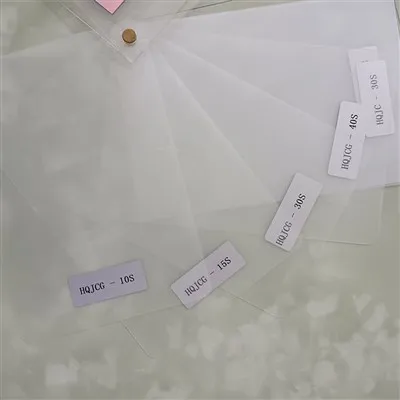
As a supplier, I am committed to providing our customers with the highest – quality Optical Grade PET Film Roll. Our in – depth knowledge of the raw materials and strict quality control measures ensure that our products meet the most demanding requirements in the optical industry.
Small Roll Laminating Film If you are looking for a reliable supplier of Optical Grade PET Film Roll, we would be delighted to discuss your specific needs. Whether you are in the display, touchscreen, or other optical applications, we have the expertise and products to meet your requirements. Contact us today to start a procurement discussion and discover how our Optical Grade PET Film Roll can enhance your products.
References
- Billmeyer, F. W., & Saltzman, M. (1981). Principles of Color Technology (2nd ed.). John Wiley & Sons.
- Elias, H. – G. (2003). An Introduction to Polymer Science. Wiley – VCH.
- Wypych, G. (2017). Handbook of Additives for Plastics. ChemTec Publishing.
Yantai Hongqing Packing Material Co., Ltd.
Yantai Hongqing Packing Material Co., Ltd. is one of the most professional optical grade pet film roll manufacturers and suppliers in China, also supports customized service. Welcome to wholesale advanced optical grade pet film roll made in China here and get quotation from our factory. Quality products and reasonable price are available.
Address: Eastern Industrial Park, Taocun, Yantai, Shandong Province, China
E-mail: cindy@ythongguang.cn
WebSite: https://www.hqingnewmat.com/
